
News Date : 18 Feb 2026 News Report
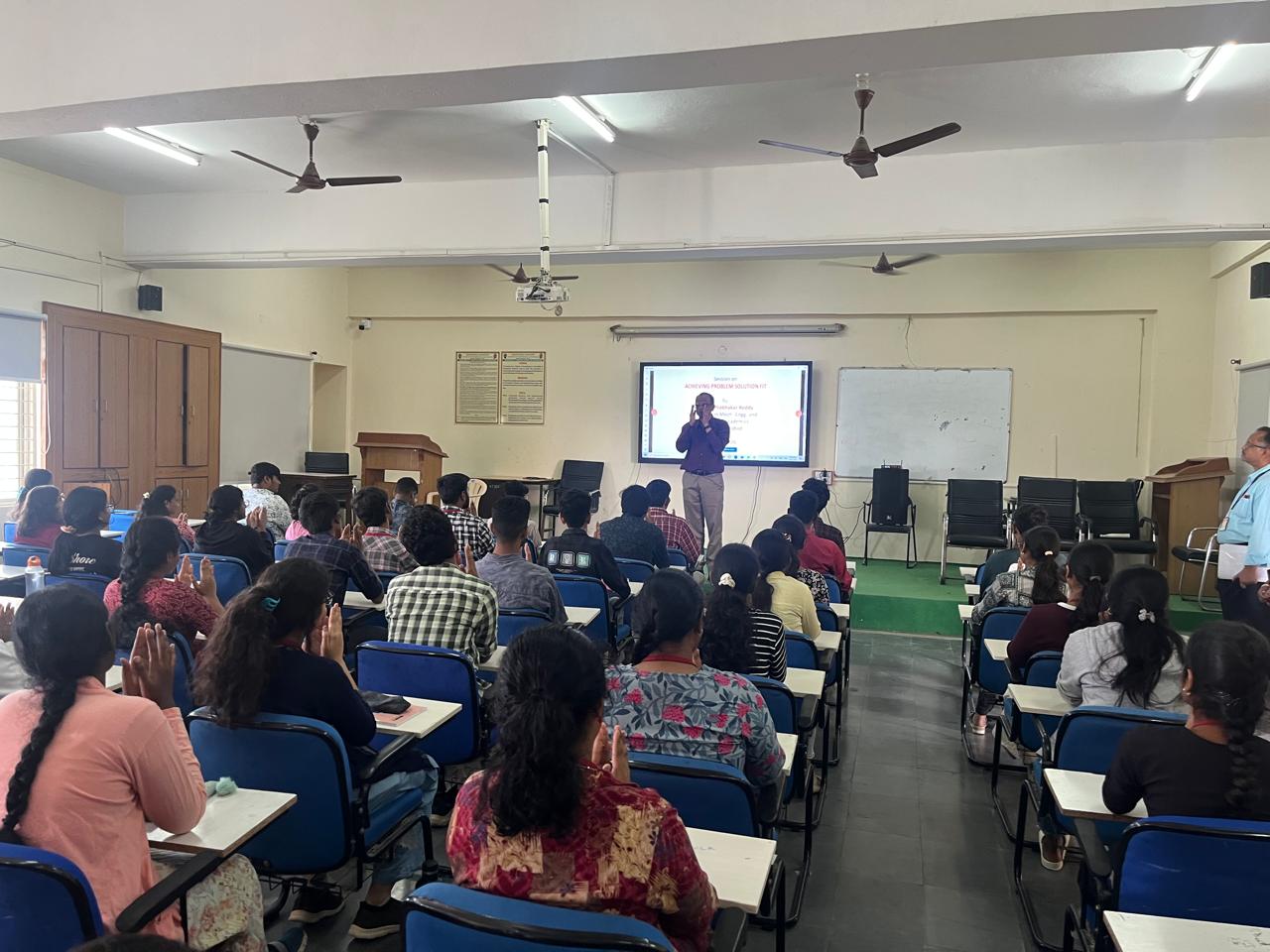
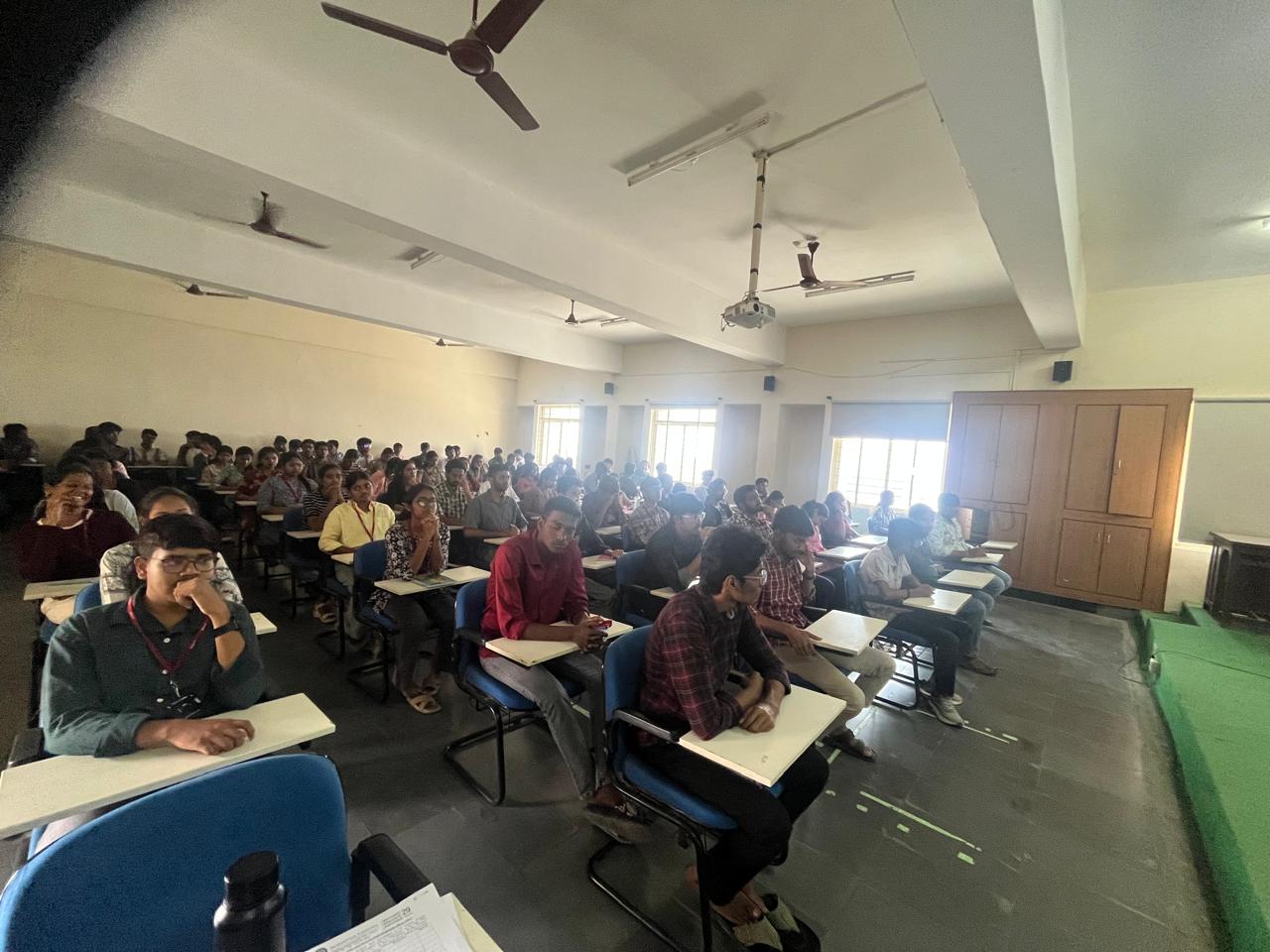
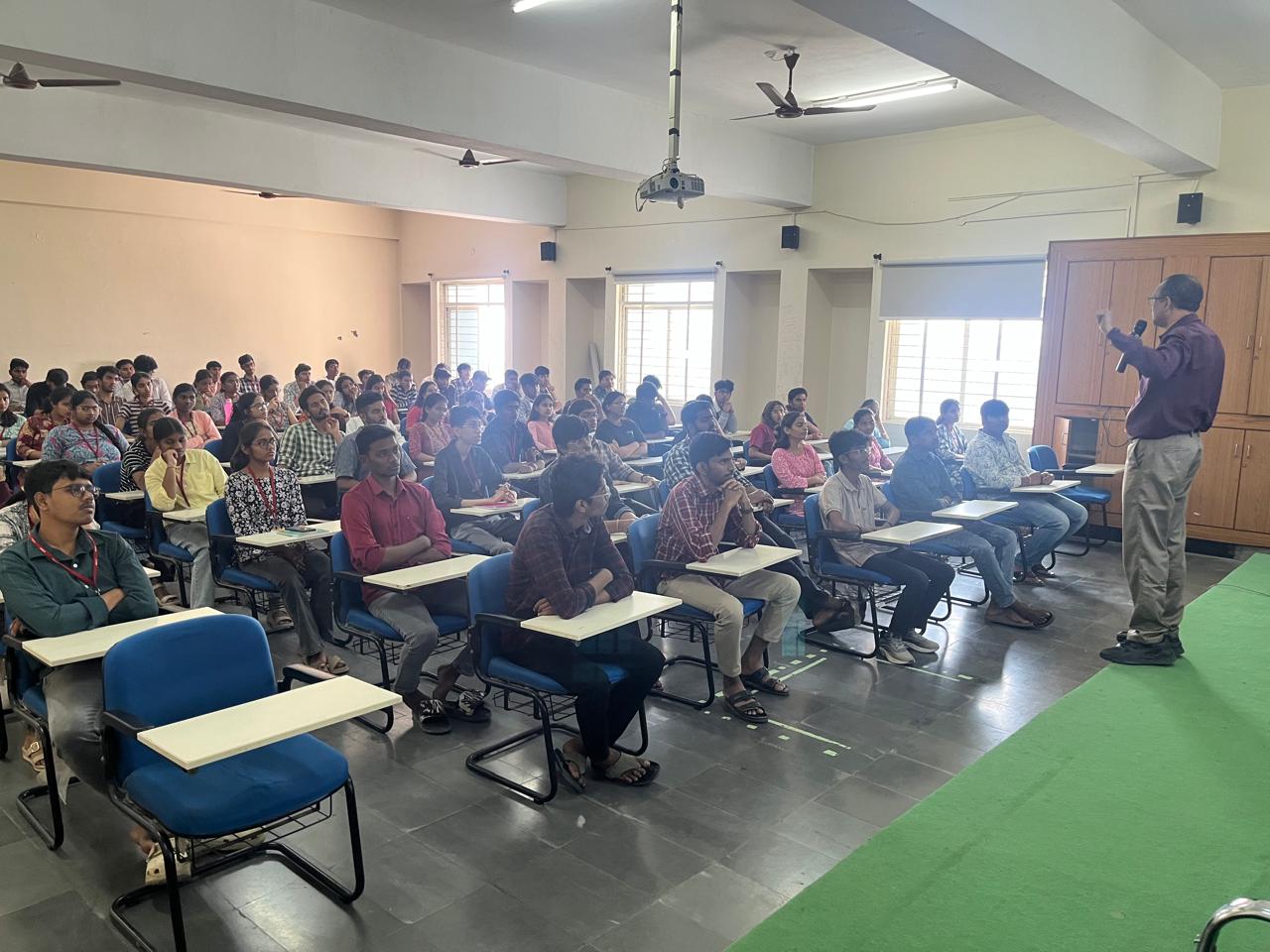
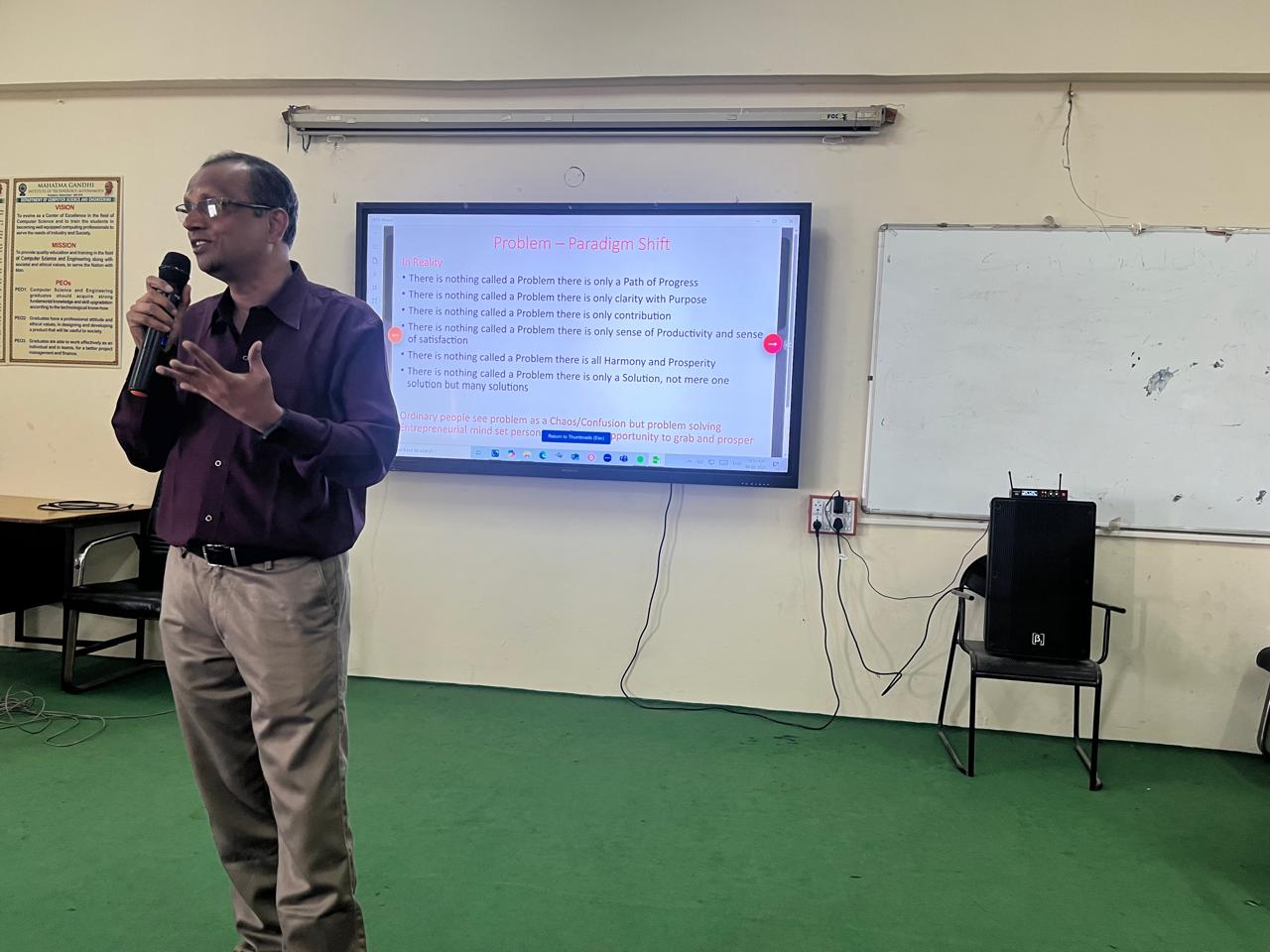
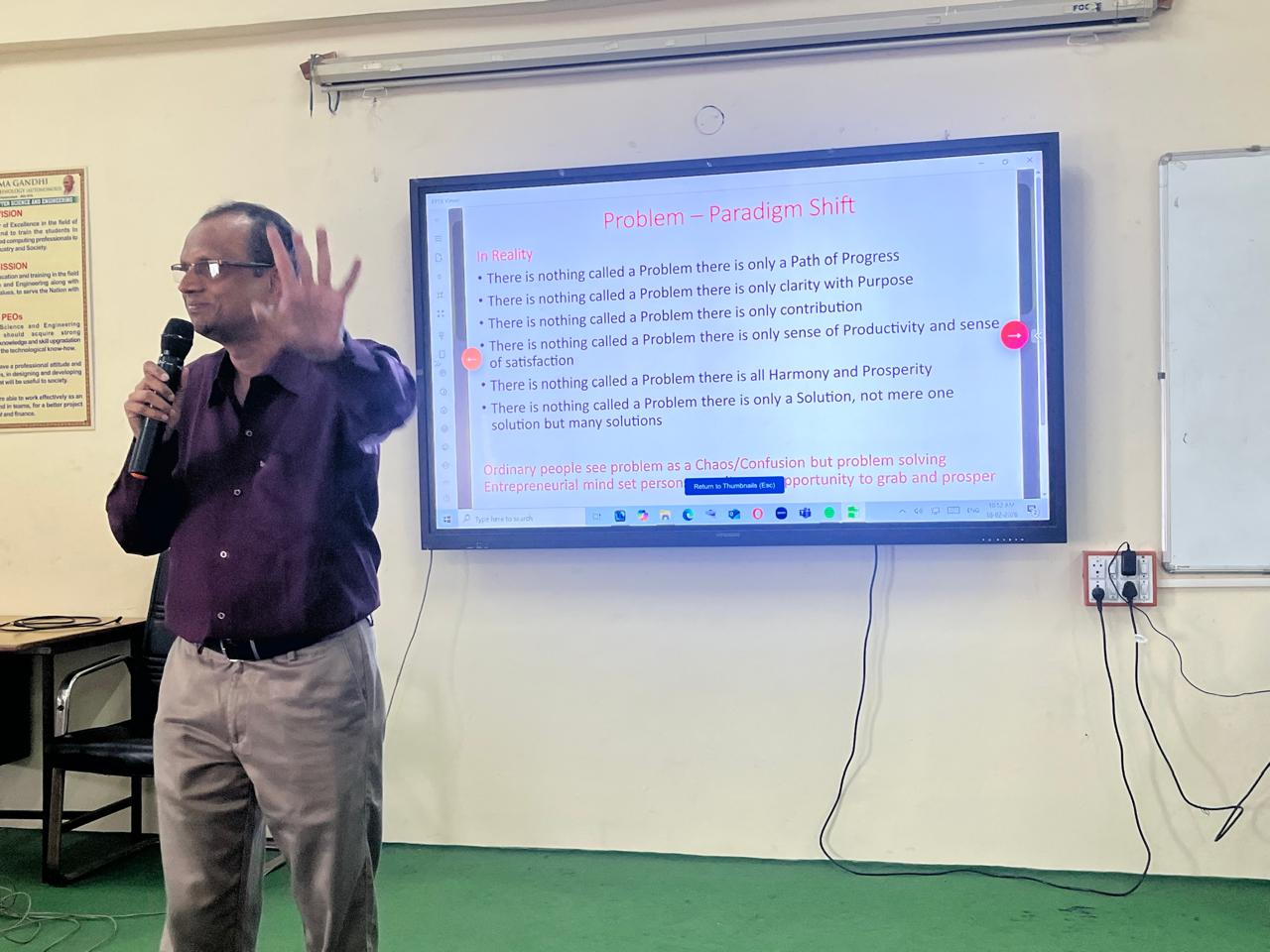
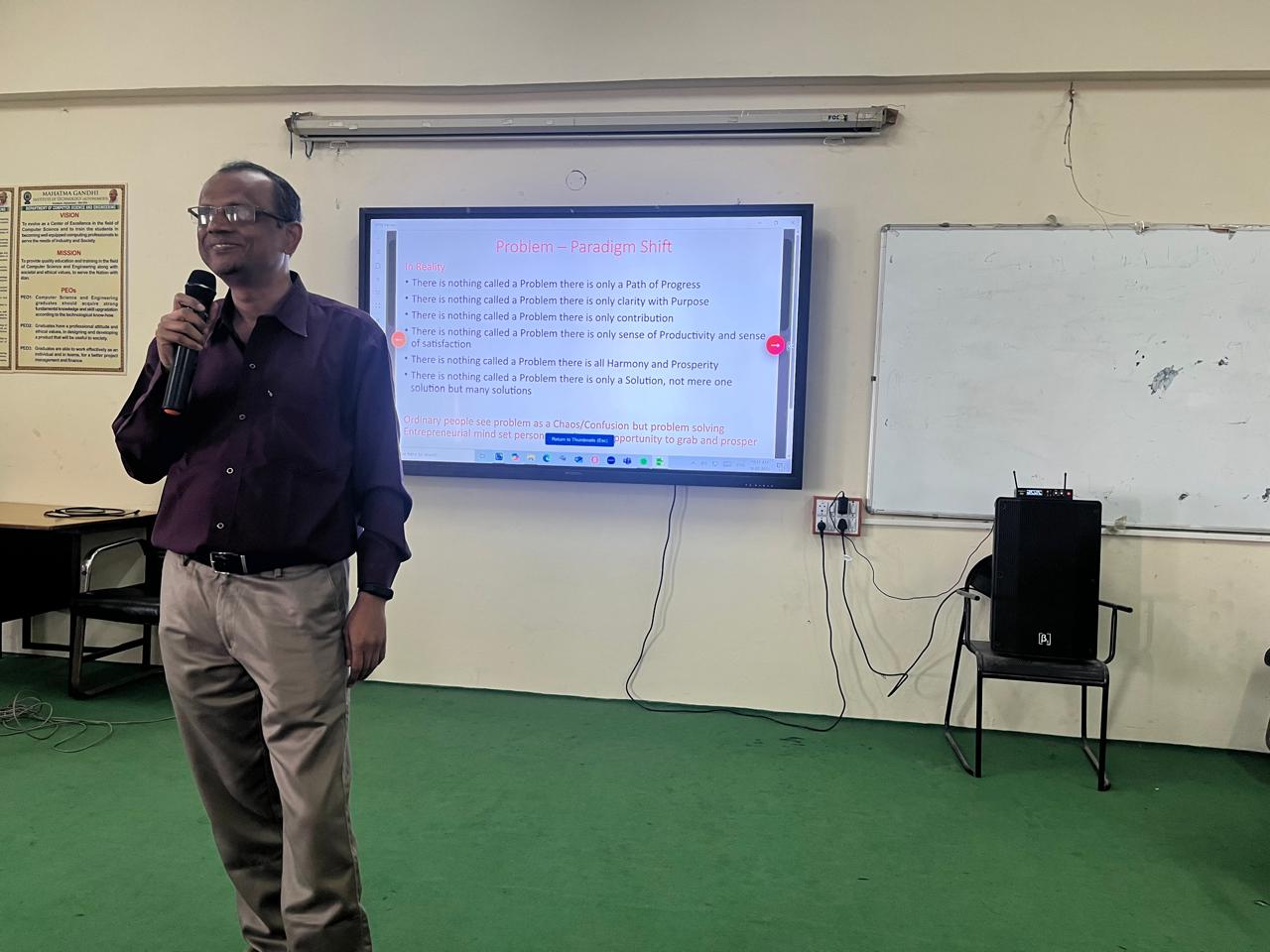
The Industry Institute Partnership Cell (IIPC), in collaboration with the Institution’s Innovation Council (IIC) and the Department of Information Technology, organized an expert lecture on the topic “Achieving Problem Solution Fit” as part of its IIPC activities. The session was delivered by Dr. P. Prabhakar Reddy, Professor, Department of Mechanical Engineering and Director–Academics at Chaitanya Bharathi Institute of Technology, Hyderabad. The lecture was conducted from 10:15 A.M. to 12:15 P.M., and witnessed active participation from students and faculty members of the Institute.
On this occasion, Dr. G. ChandraMohan Reddy, Principal, motivated students to focus on state-of-the-art challenges and encouraged them to create opportunities in the field of innovation. Dr. D. Vijaya Lakshmi, Head of the Department of Information Technology, briefed students about the relevance and scope of the topic and highlighted its importance in addressing real-world problems.
In his address, Dr. Prabhakar Reddy emphasized that achieving problem–solution fit requires validating the existence of a specific and valuable problem for a target audience and ensuring that the proposed solution effectively addresses it before full-scale development. He explained the importance of iterative customer discovery, developing Minimum Viable Products (MVPs), and gathering feedback to confirm the need and effectiveness of the solution. He further elaborated that identifying the right problem, validating the solution, and continuously refining it through iteration are key aspects of achieving this fit.
The lecture was summarized by Dr. N. Sree Divya, Member, IIPC, Department of Information Technology. The session concluded with a vote of thanks proposed by Dr. P. Chandra Sekhar, Convenor, IIPC.
The event provided valuable insights to students and faculty on innovation practices and reinforced the importance of developing effective solutions aligned with real-world needs.
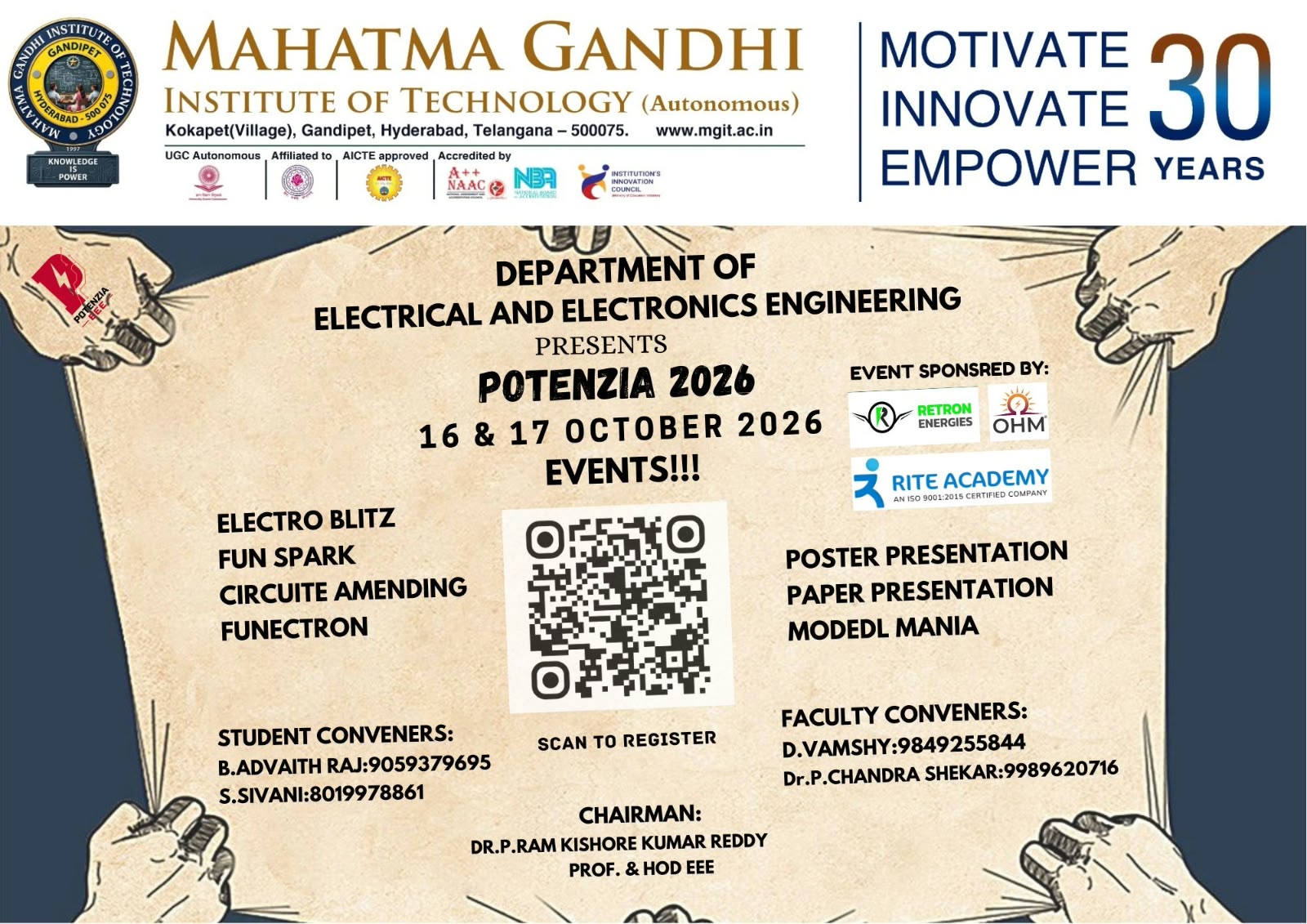
Mahatma Gandhi Institute of Technology (Autonomous) Department of Electrical and…
16 Oct 2026 - 17 Oct 2026
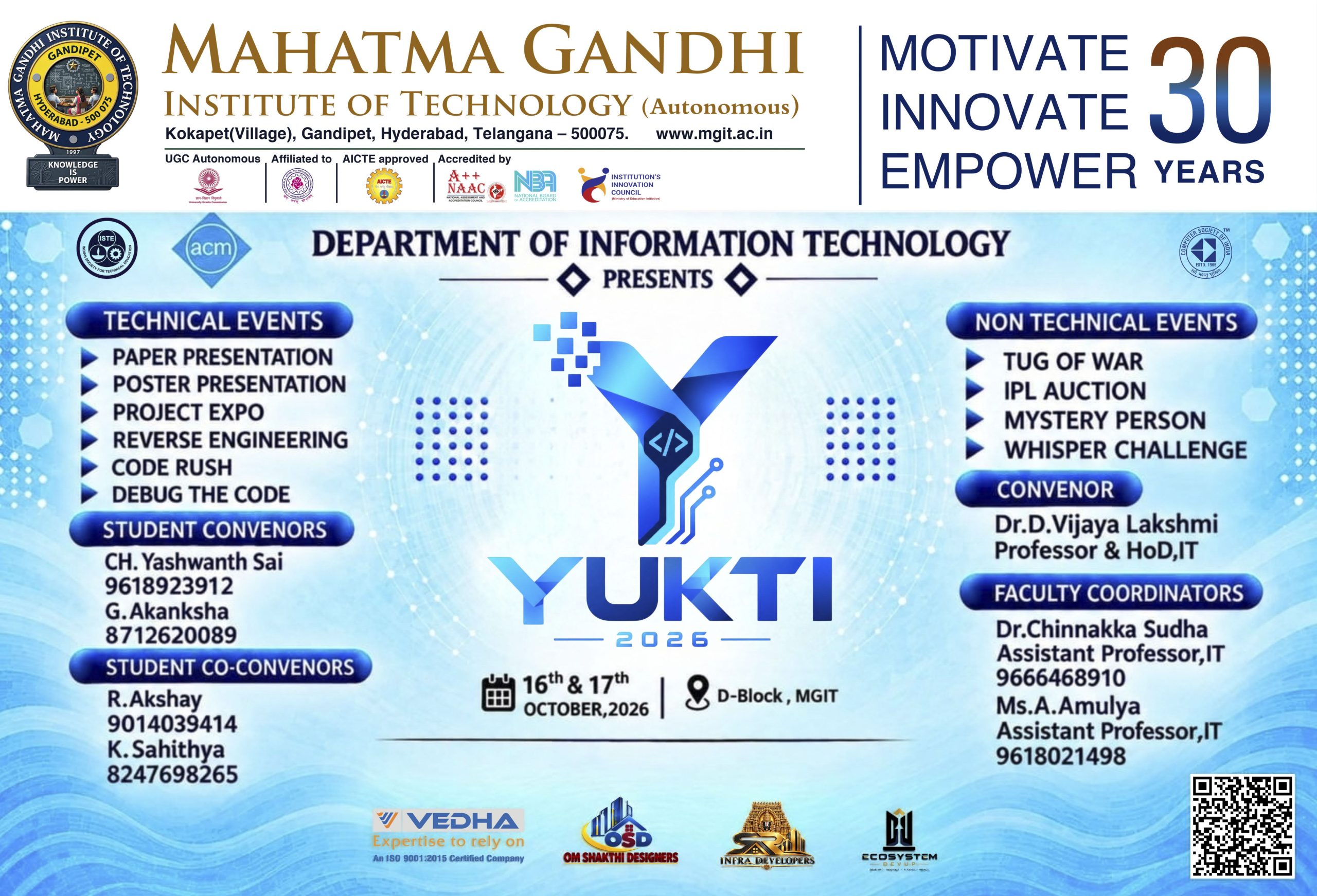
Mahatma Gandhi Institute of Technology (Autonomous) Department of Information Technology…
16 Oct 2026 - 17 Oct 2026
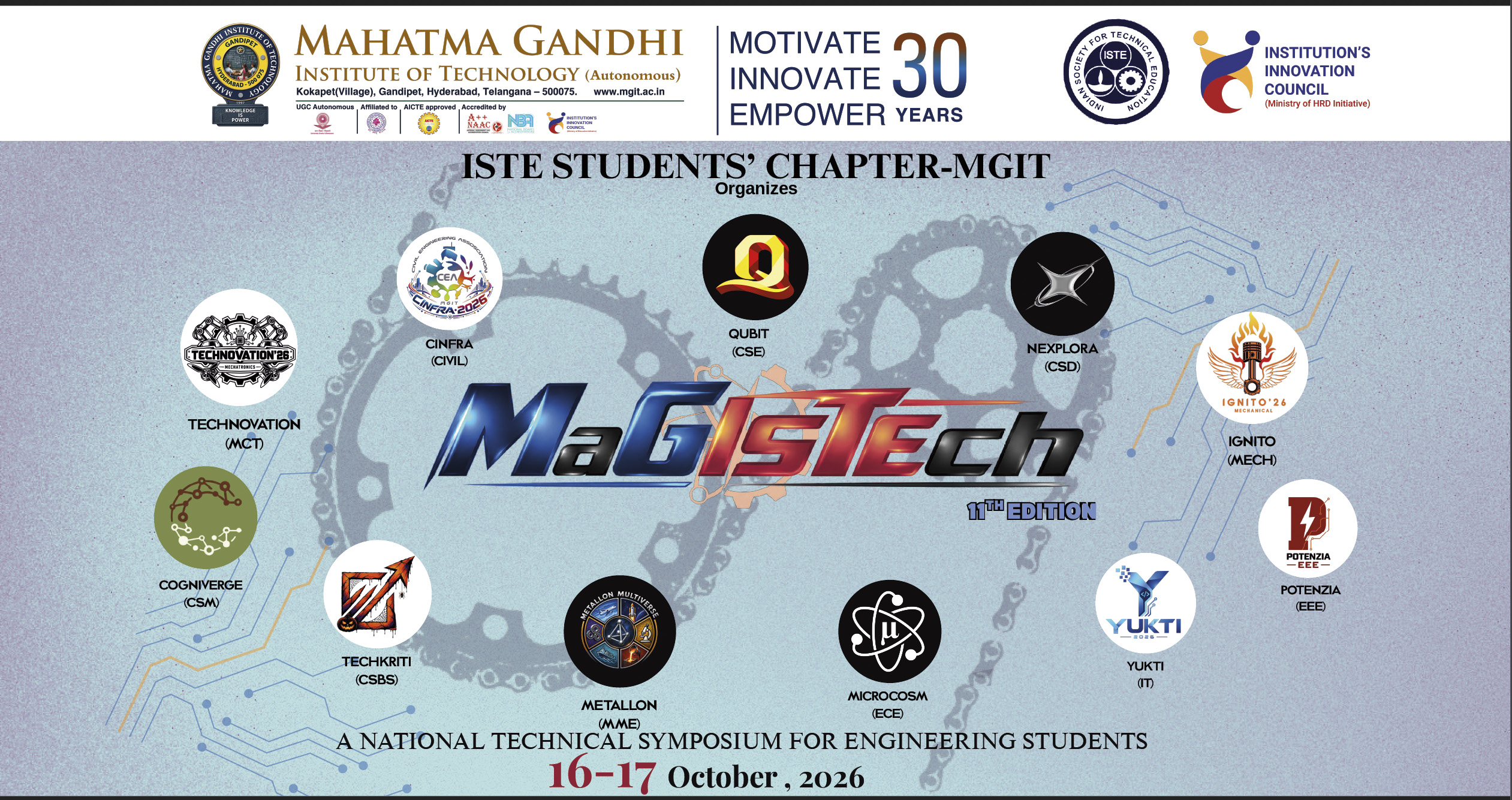
Upcoming Event · National-Level Technical Symposium MAGISTECH 2026 A Two-Day…
16 Oct 2026 - 17 Oct 2026
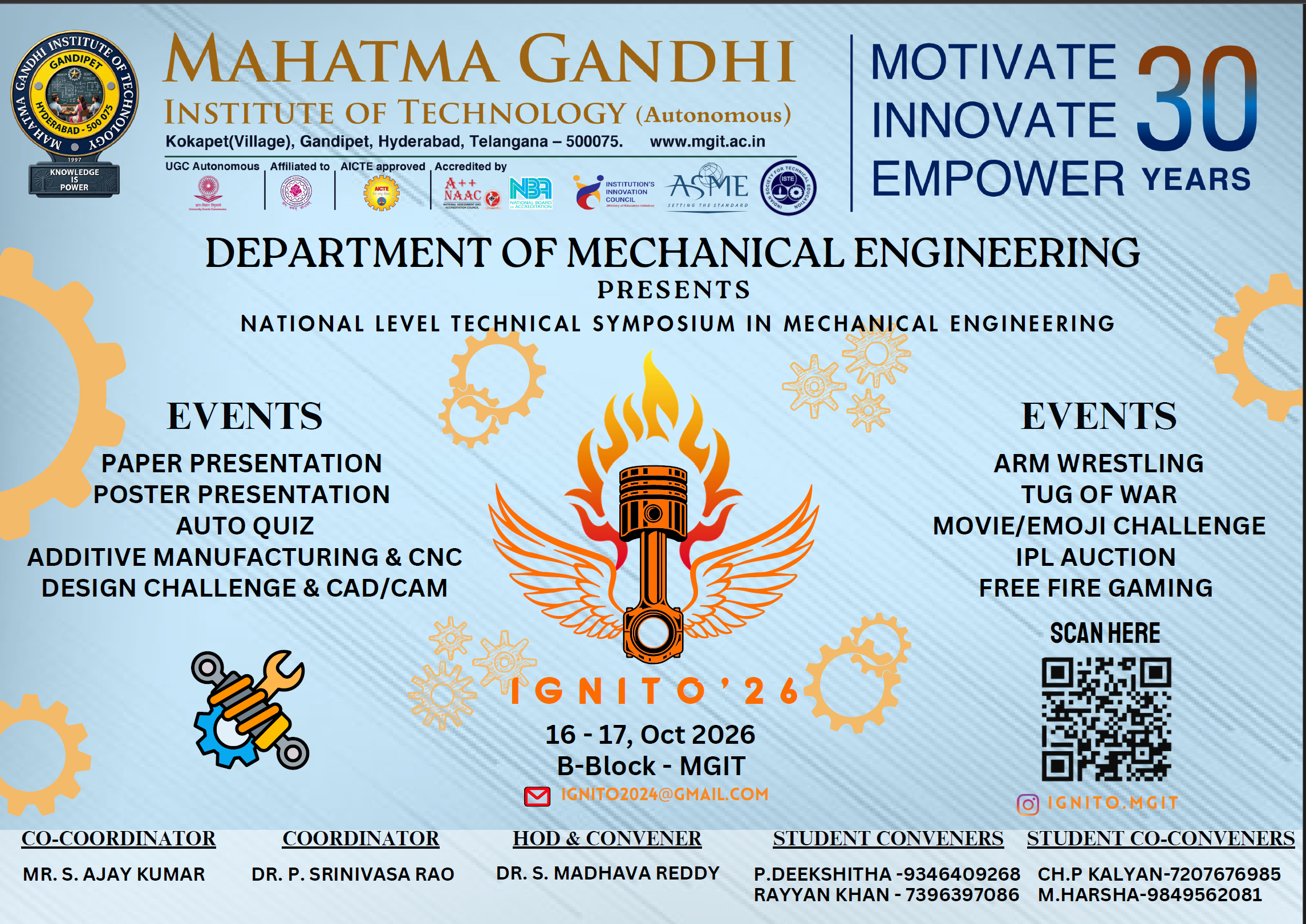
Mahatma Gandhi Institute of Technology (Autonomous) Department of Mechanical Engineering…
16 Oct 2026 - 17 Oct 2026
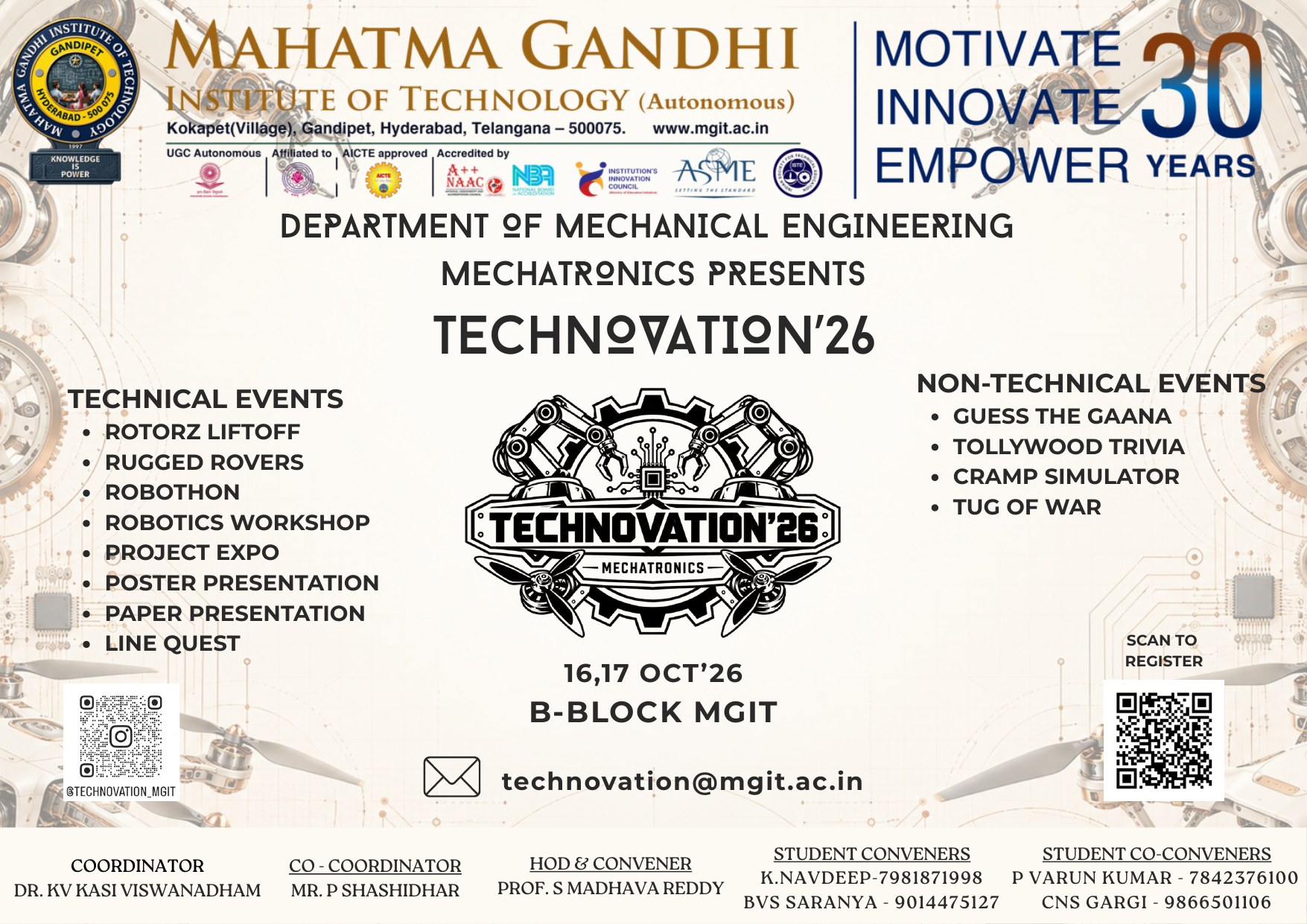
Mahatma Gandhi Institute of Technology (Autonomous) Department of Mechanical (Mechatronics)…
16 Oct 2026 - 17 Oct 2026
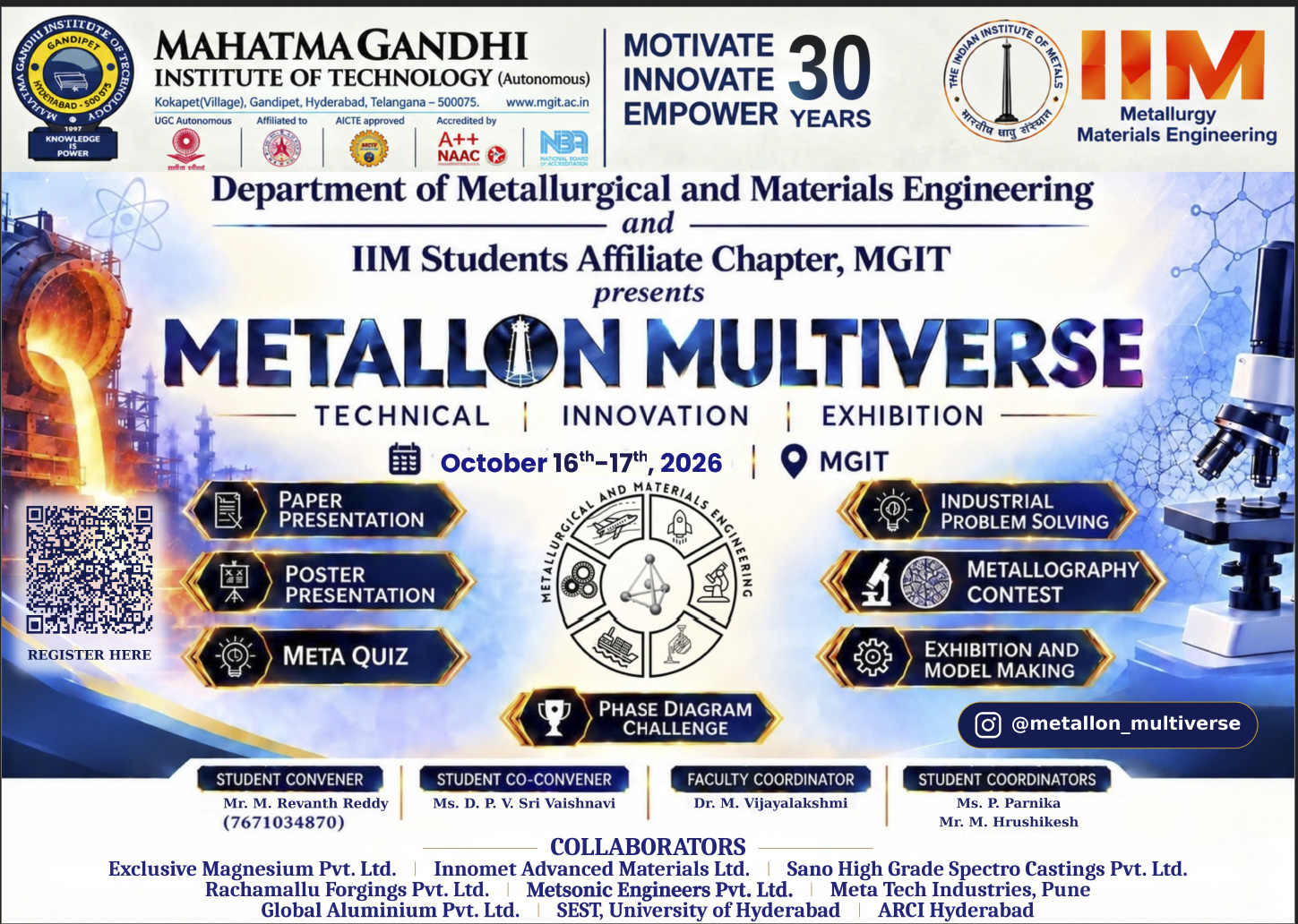
Mahatma Gandhi Institute of Technology (Autonomous) Department of Metallurgical and…
16 Oct 2026 - 17 Oct 2026
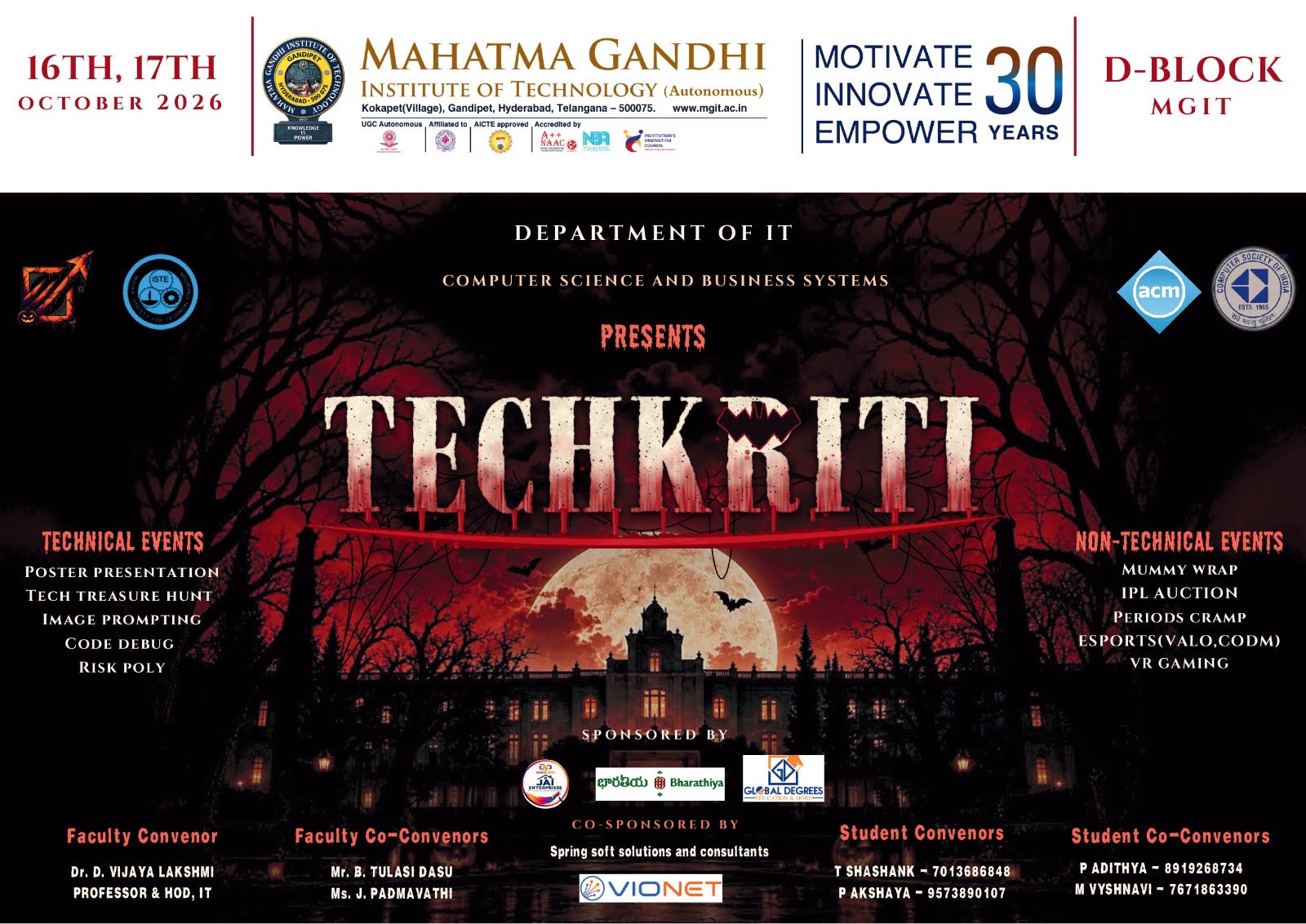
Mahatma Gandhi Institute of Technology (Autonomous) Department of IT –…
16 Oct 2026 - 17 Oct 2026
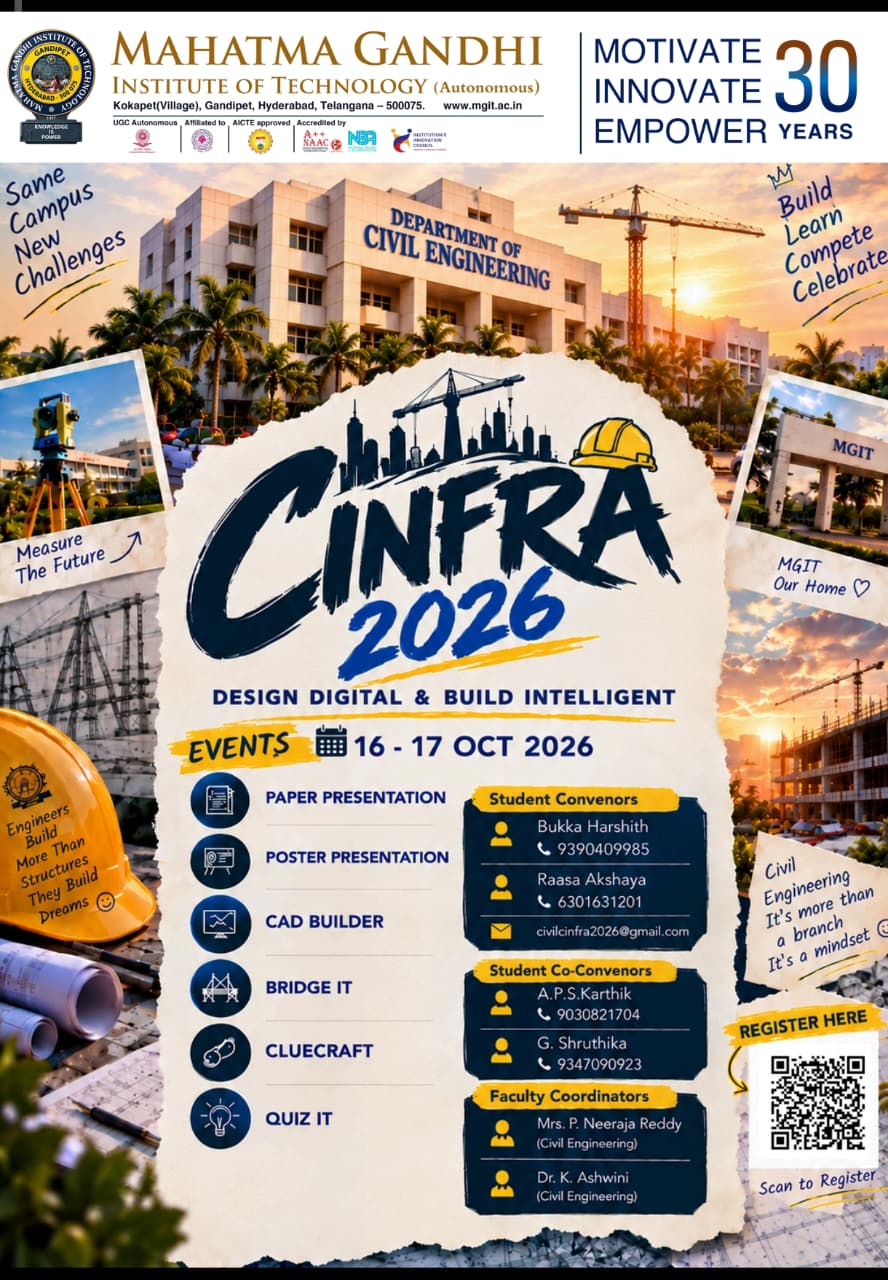
Mahatma Gandhi Institute of Technology (Autonomous) Department of Civil Engineering…
16 Oct 2026 - 17 Oct 2026