


News Date : 11 Sep 2026 News Report
Hyderabad, September 11, 2026
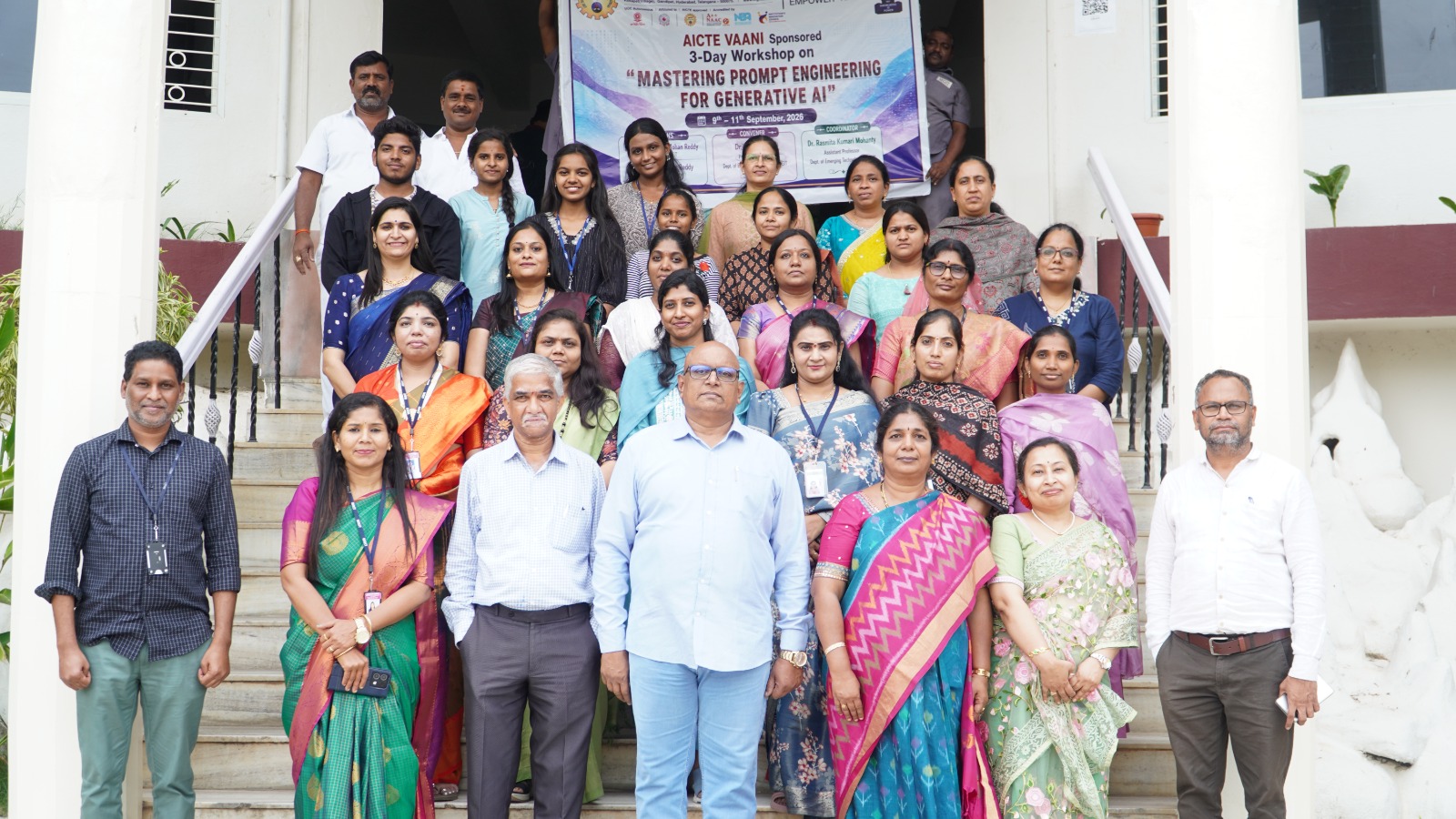
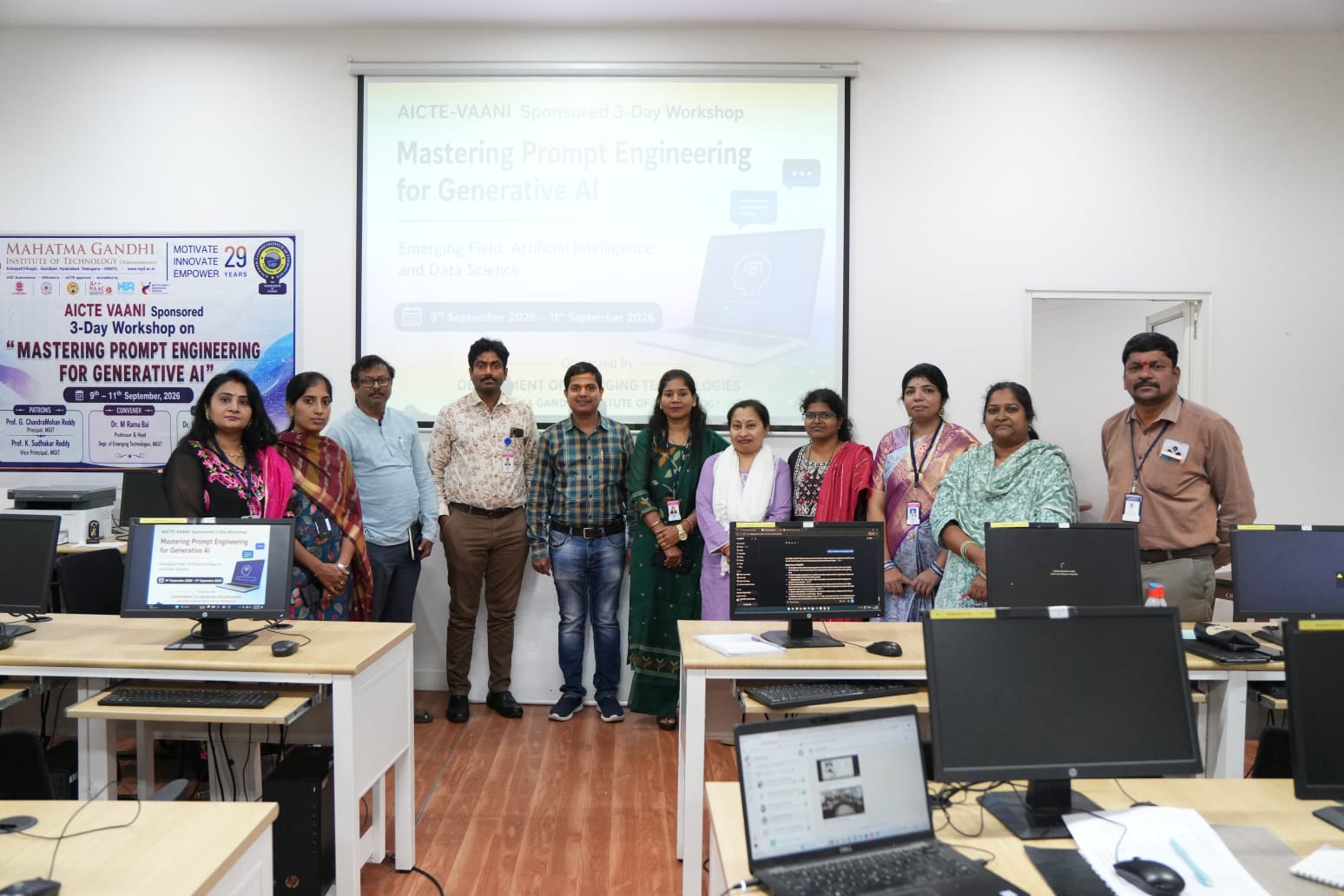
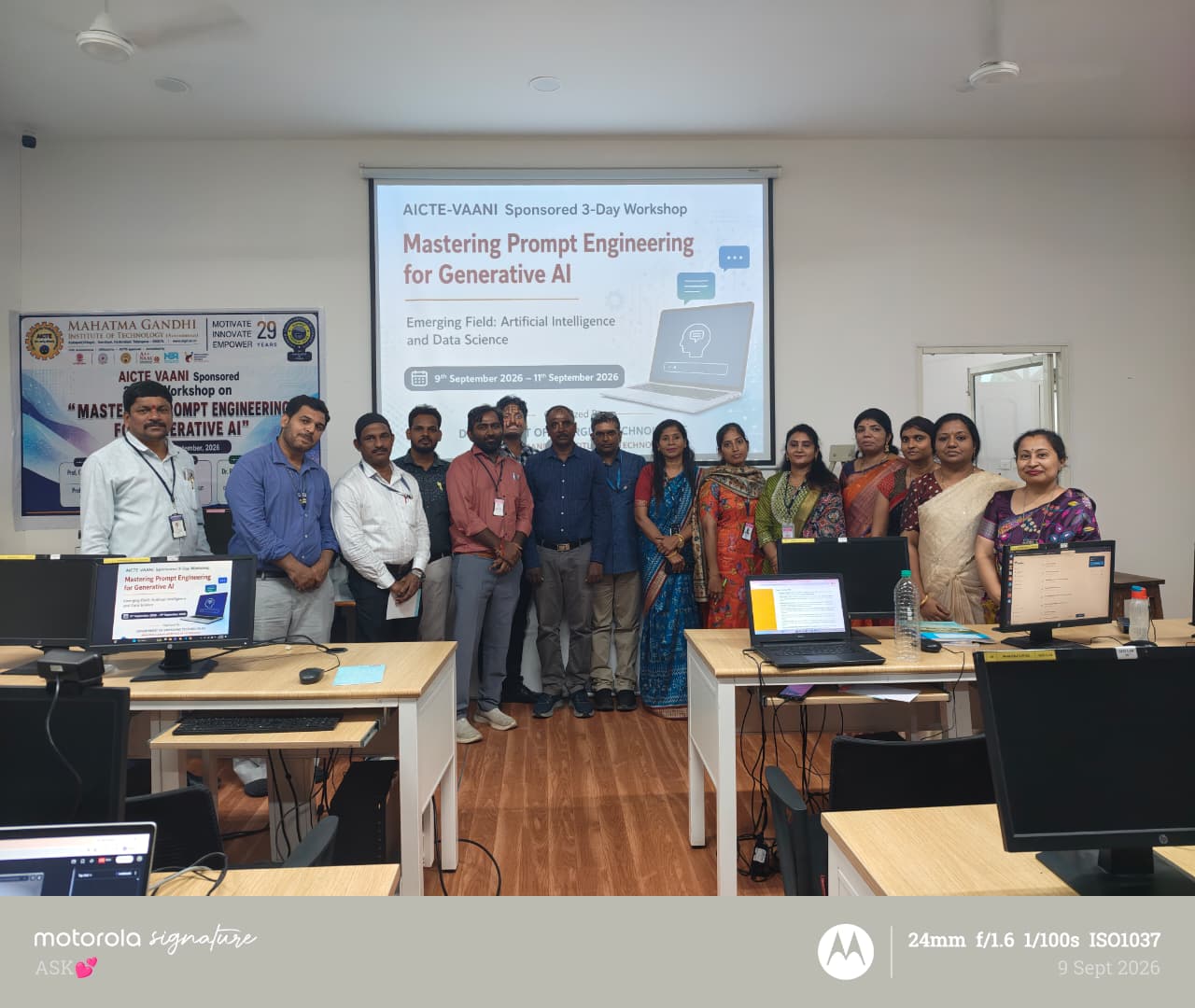
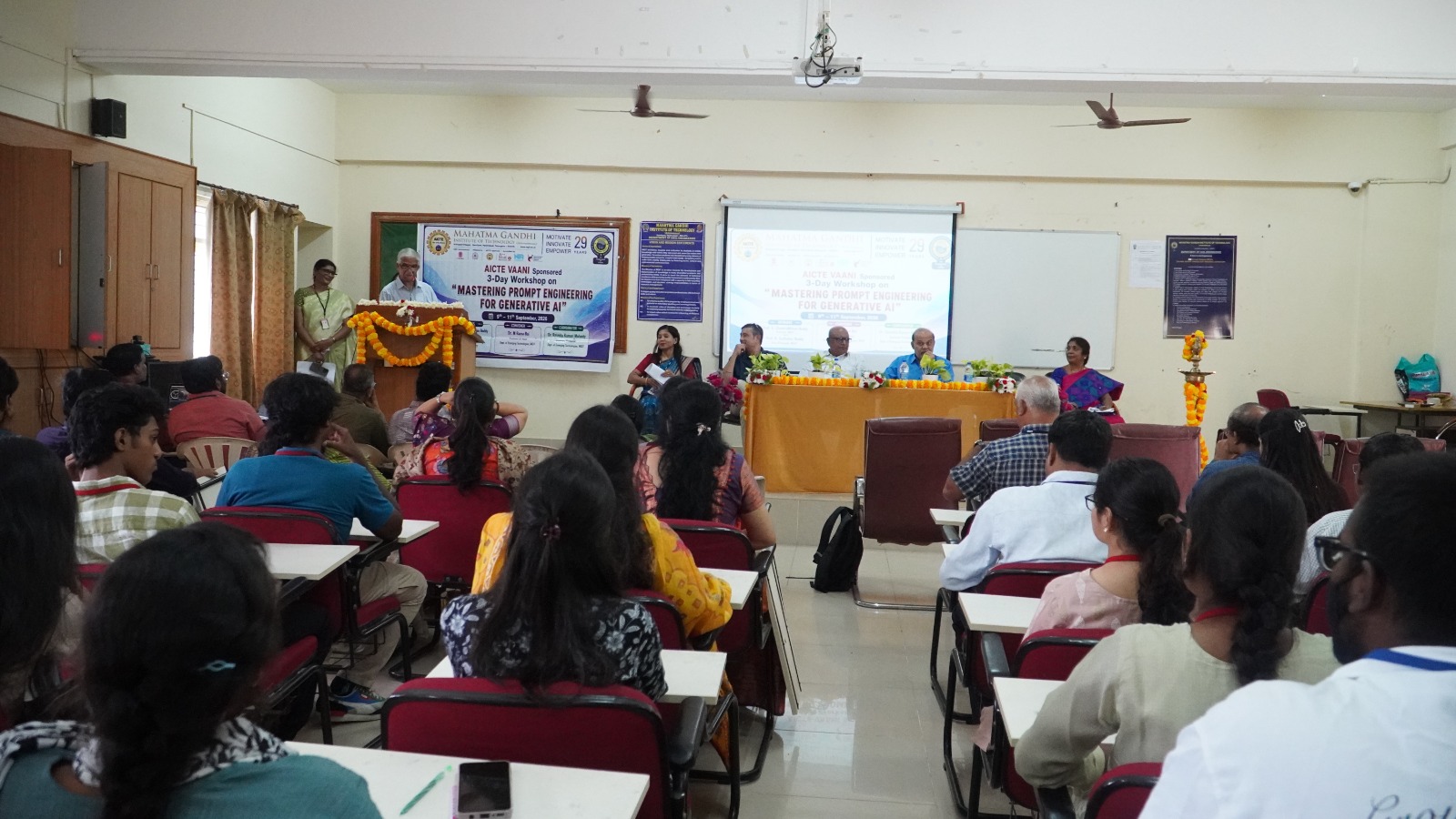
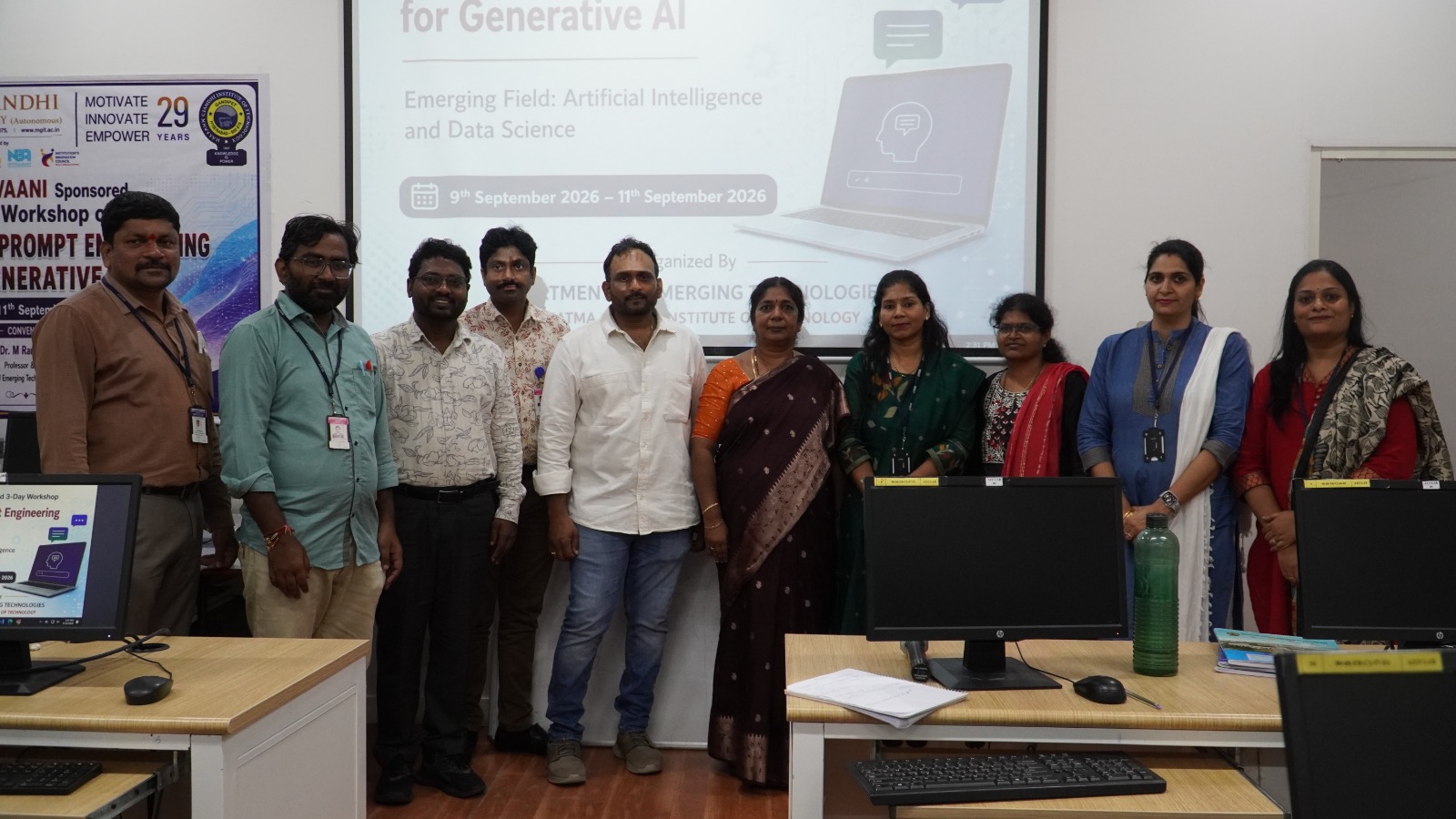
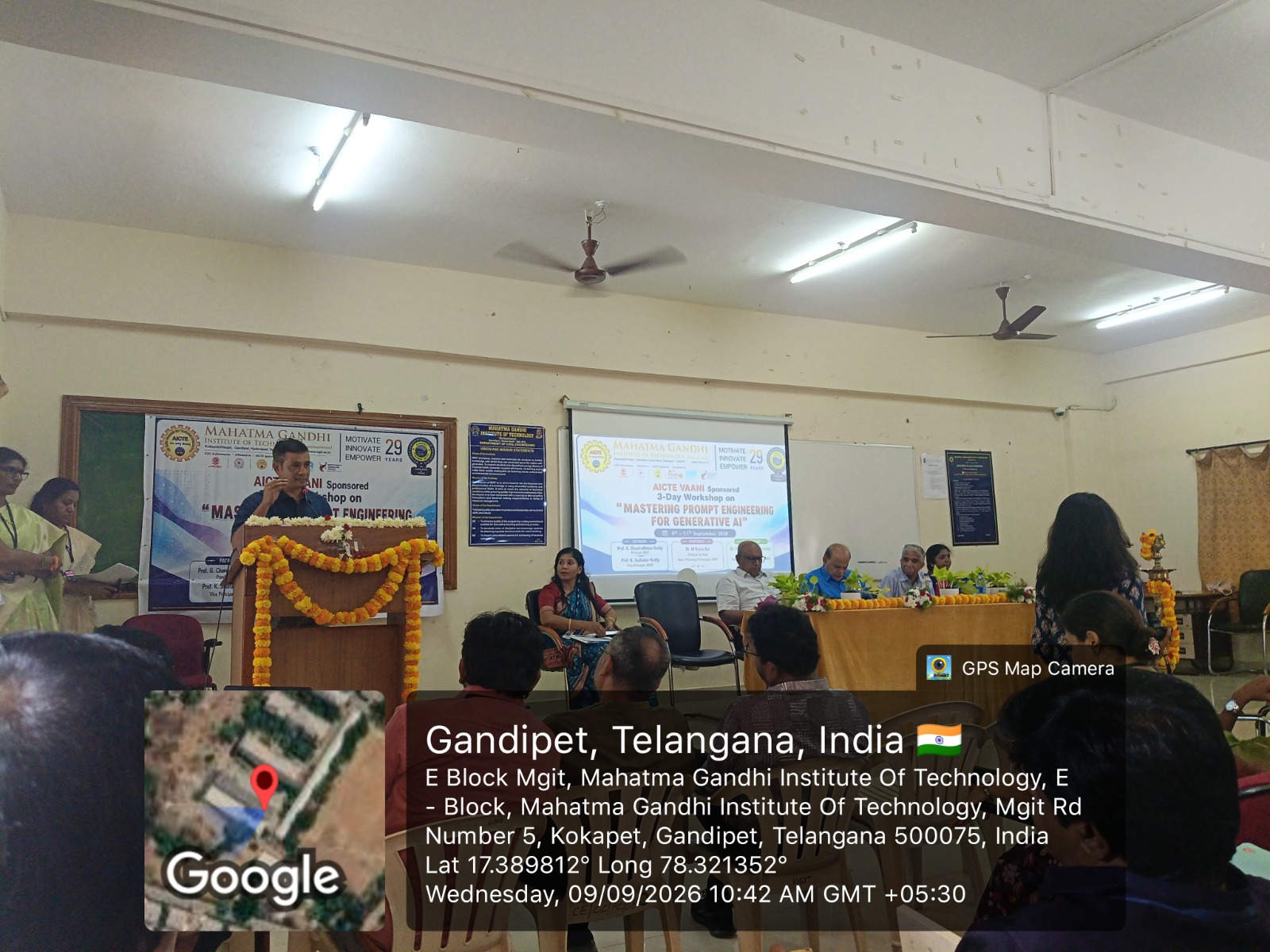
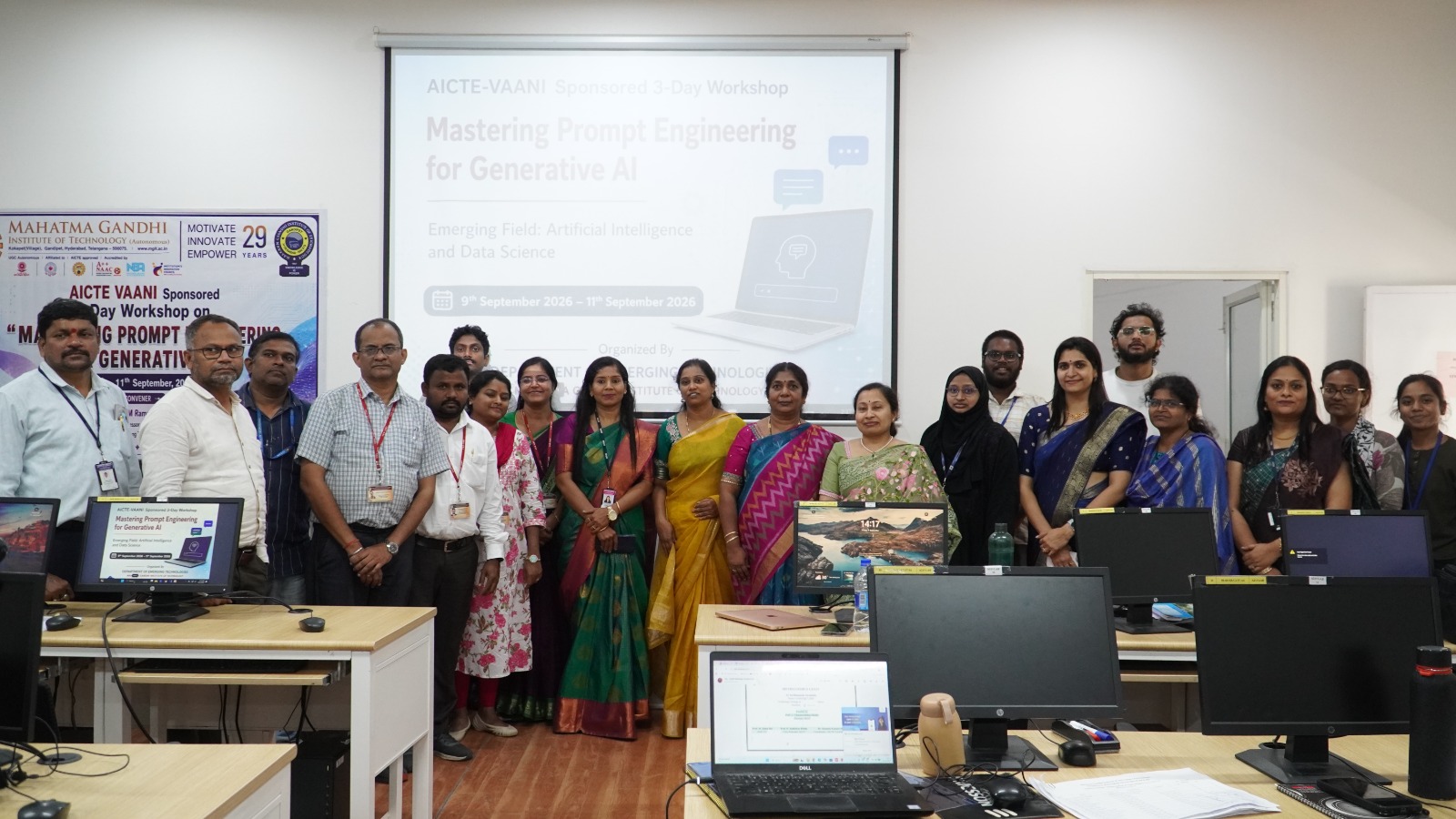
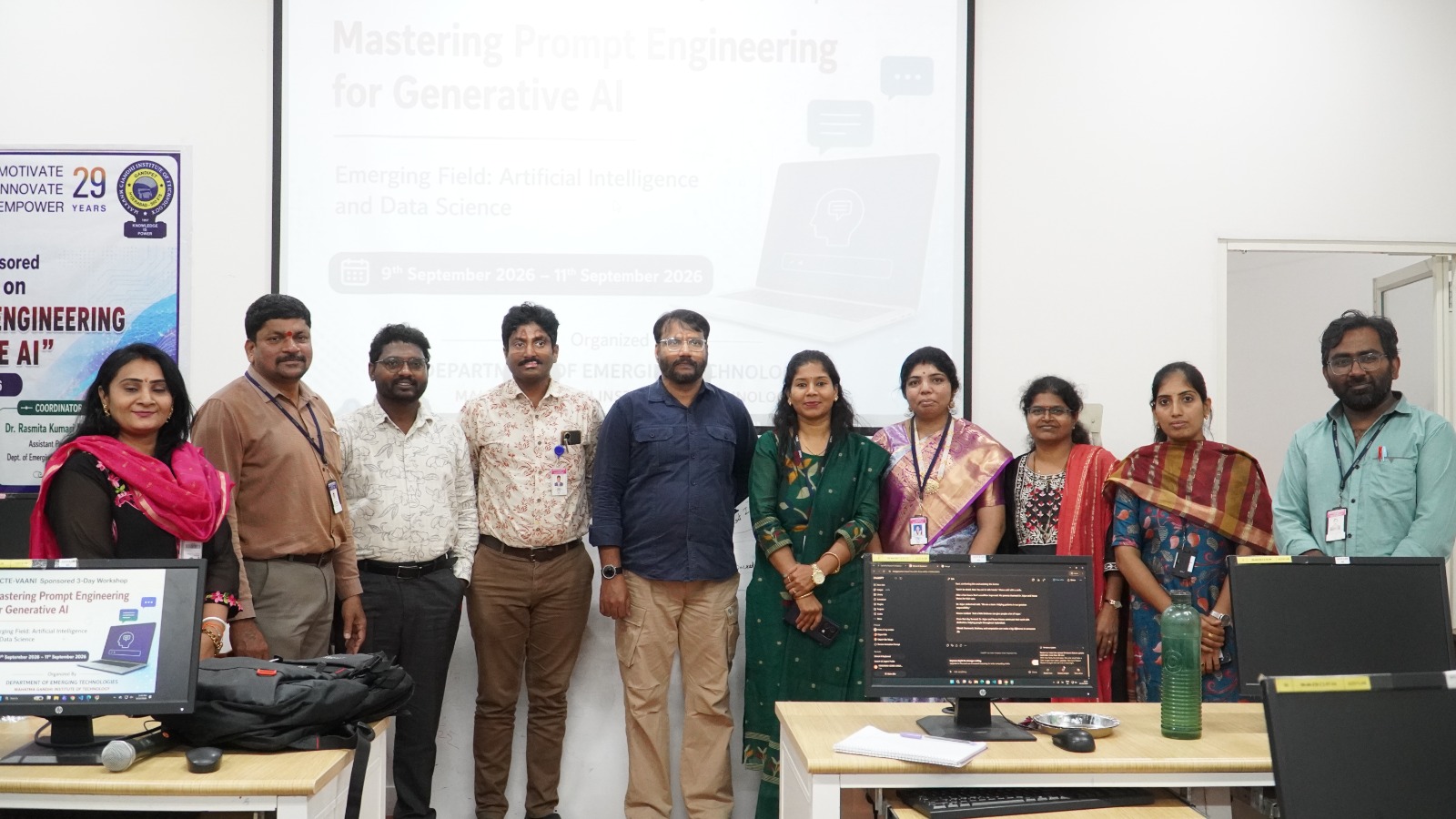
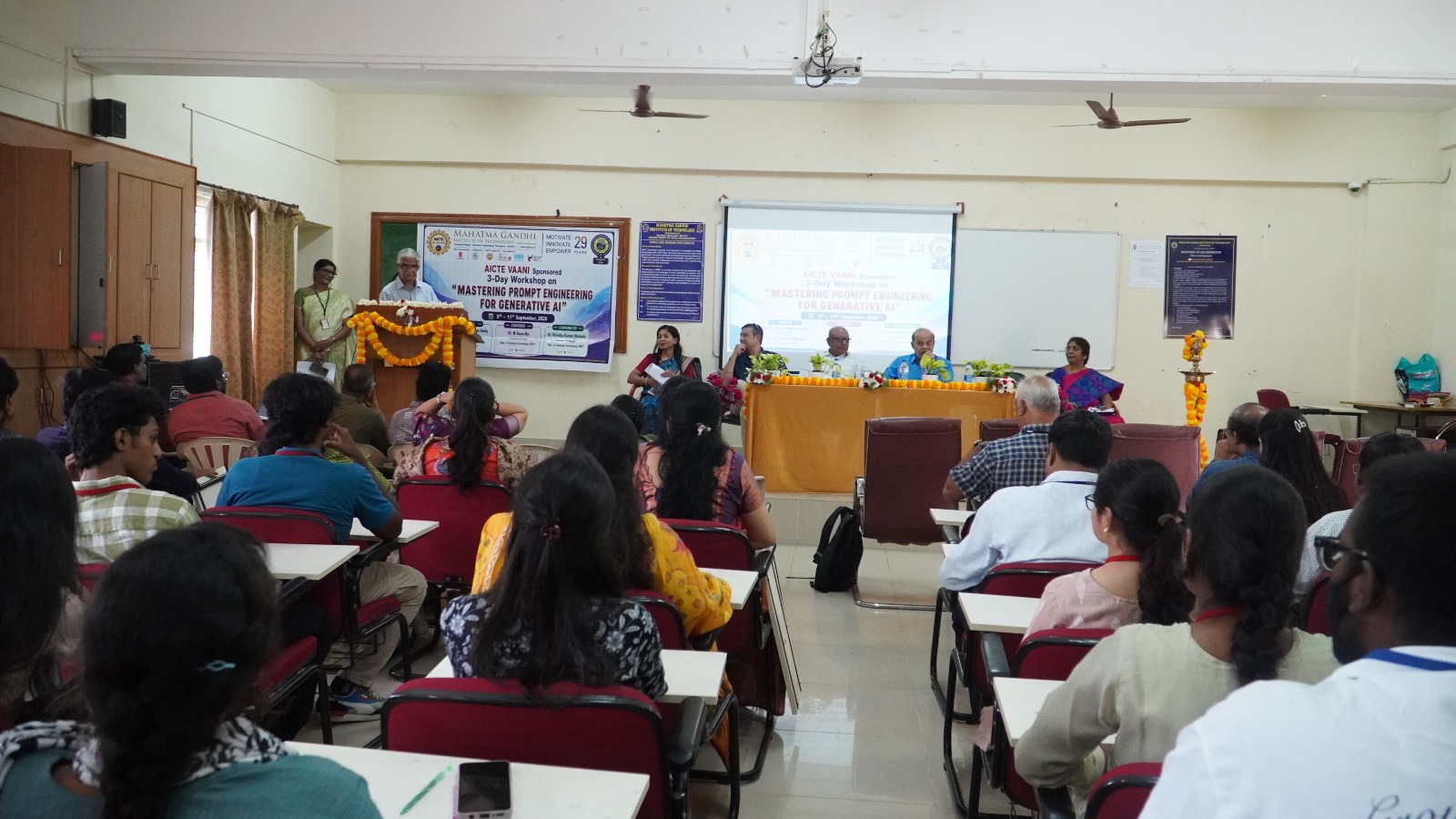
The Department of Emerging Technologies, Mahatma Gandhi Institute of Technology (MGIT), organised a three-day AICTE-VAANI sponsored workshop on “Mastering Prompt Engineering for Generative AI” from September 9 to 11, 2026, on the MGIT campus. In keeping with the objective of the AICTE-VAANI scheme, the entire workshop was conducted in Telugu.
The AICTE-VAANI (Vibrant Advocacy for Advancement and Nurturing of Indian Languages) scheme supports conferences, seminars and workshops held in Indian languages, with the aim of making technical knowledge in emerging fields accessible to students, faculty and researchers in their mother tongue. Delivering the sessions in Telugu allowed participants to engage with complex concepts in Generative AI and Large Language Models without a language barrier, and encouraged the development of technical vocabulary in Telugu for a fast-moving field.
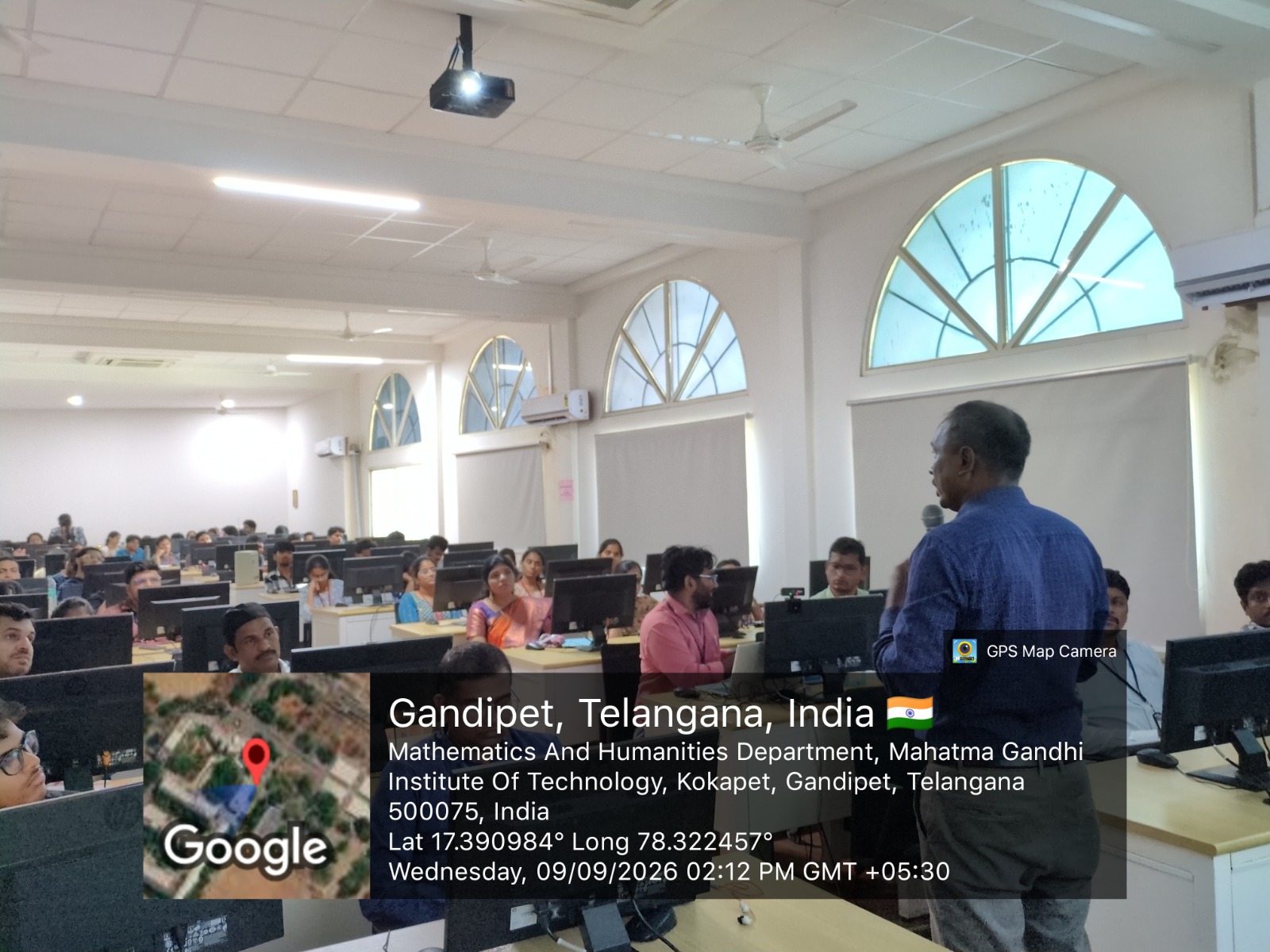
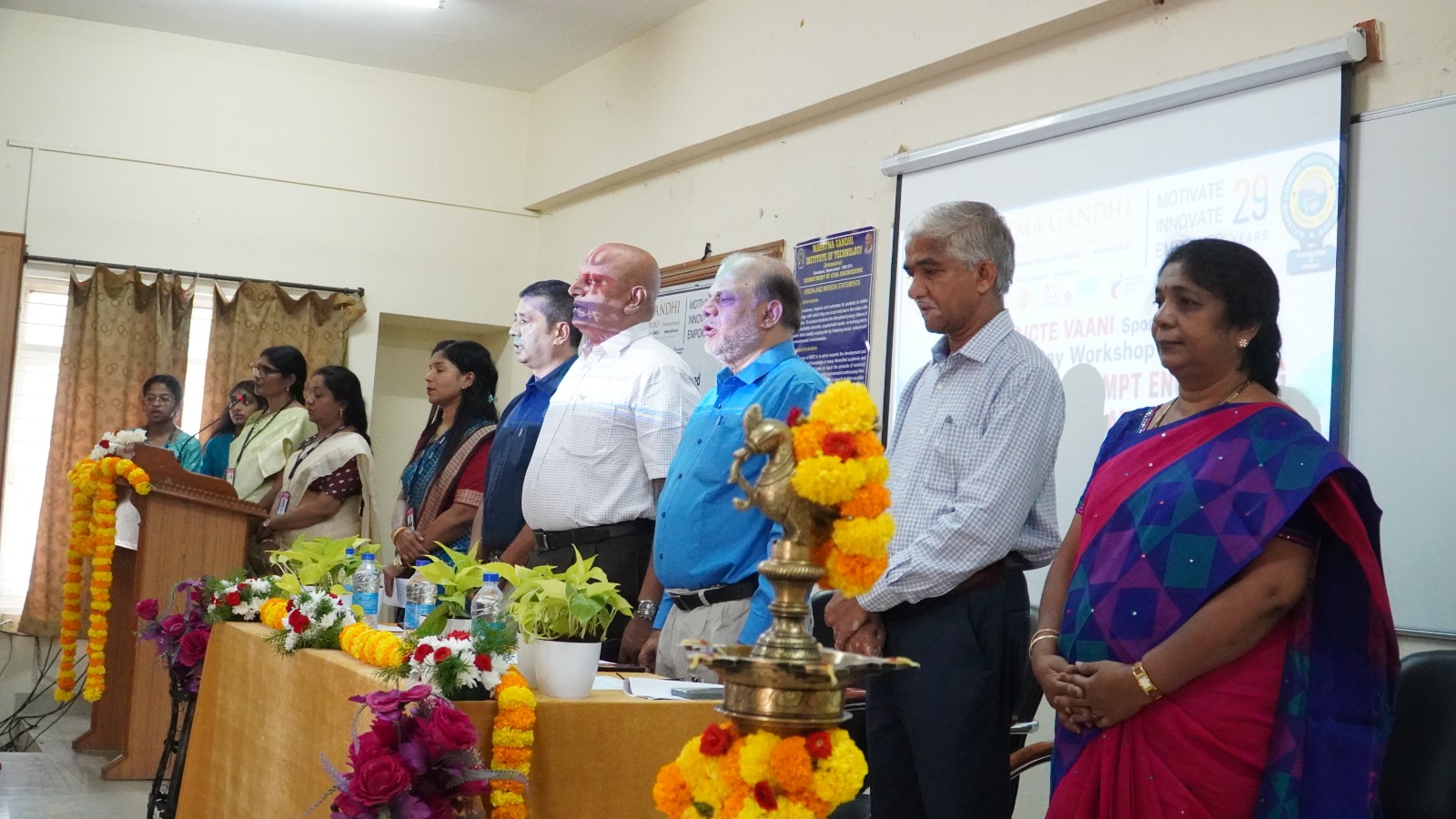
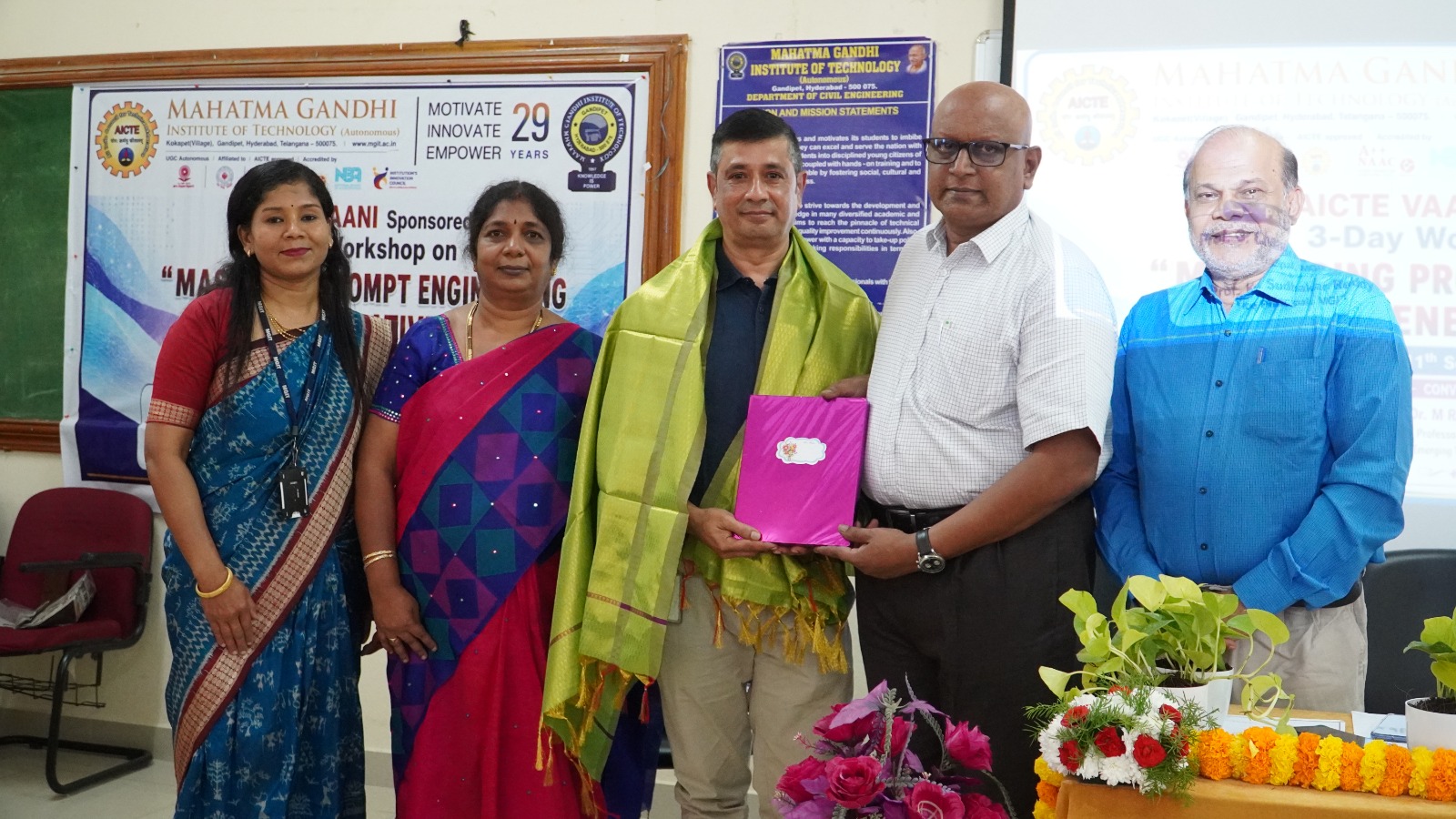
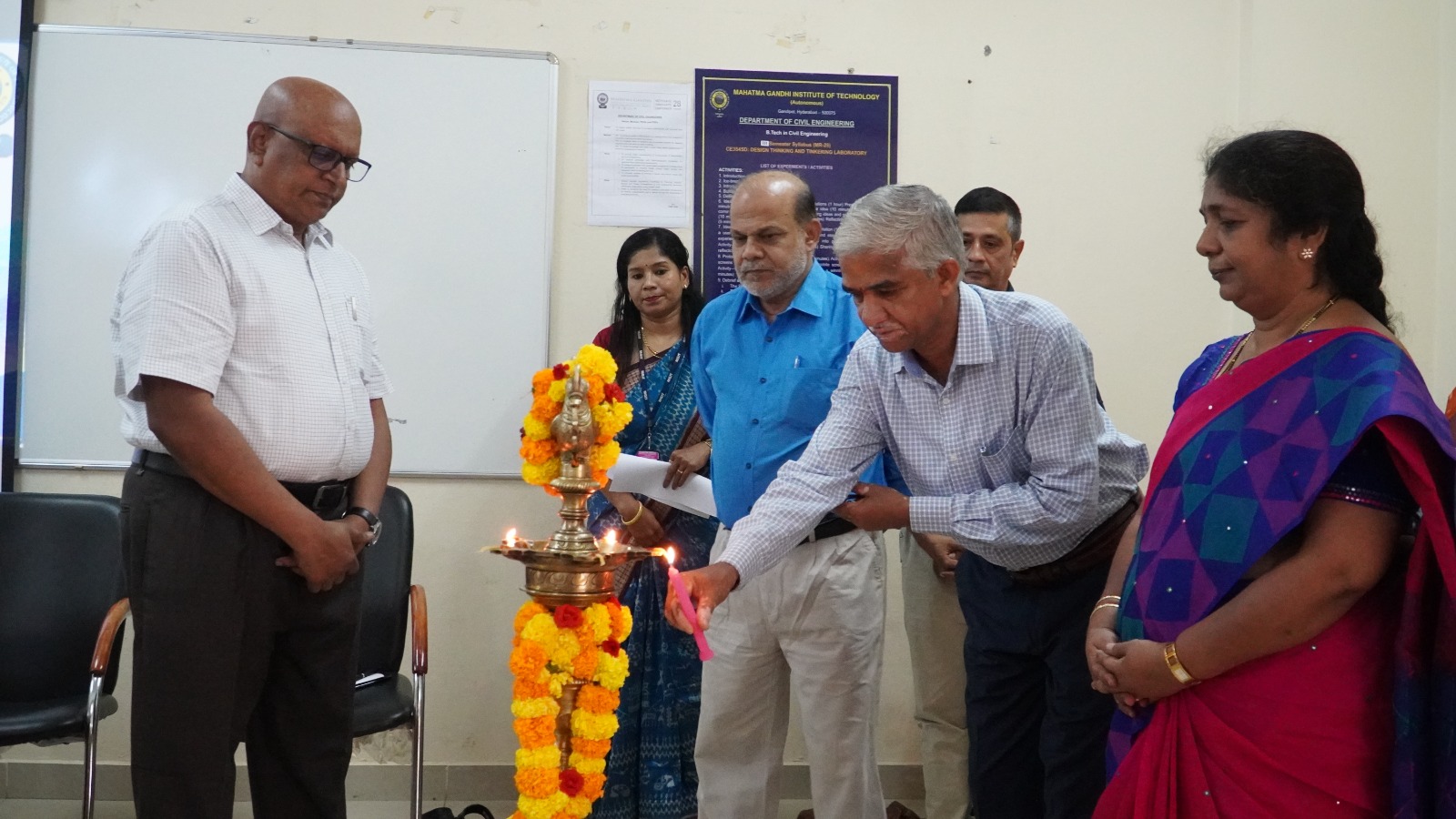
The inaugural session on September 9 was graced by Prof. Siba Kumar Udgata, Professor and Dean, School of Computer & Information Sciences, University of Hyderabad, as the Chief Guest. Sri Sachidananda Narasimha, Senior Technology Leader – Technology Strategy & Operational Excellence, Novartis, Hyderabad, attended as the Distinguished Guest. The programme was presided over by Prof. G. ChandraMohan Reddy, Principal, MGIT. Prof. K. Sudhakar Reddy, Vice Principal, MGIT, and Prof. M. Rama Bai, Head, Department of Emerging Technologies, MGIT, were also present.
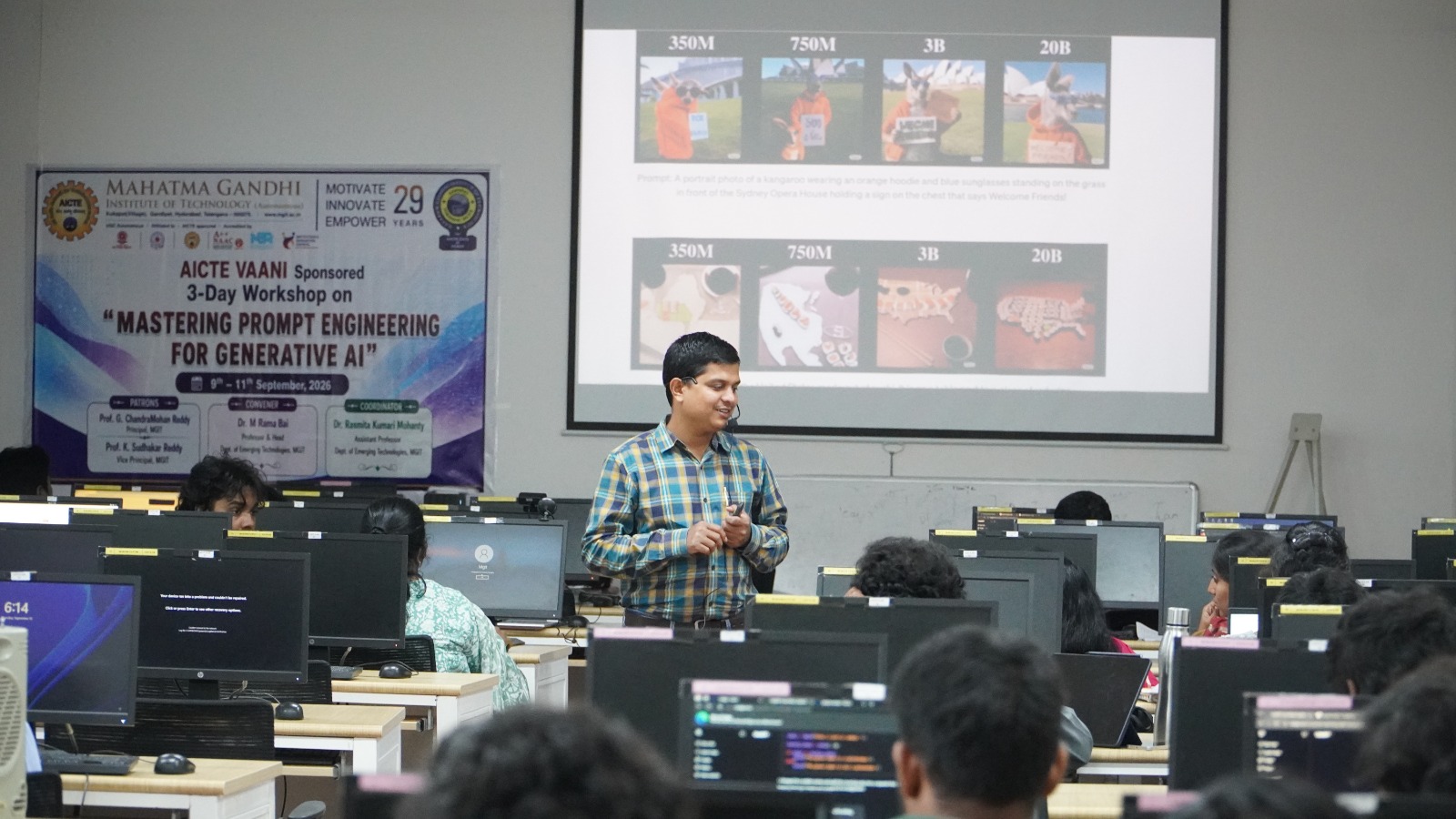
The workshop was designed to equip participants with practical skills in designing, refining and optimising prompts for Large Language Models (LLMs), and to introduce them to advanced prompting techniques for AI-assisted content generation, coding, research and problem-solving. A parallel emphasis was placed on the ethical, responsible and secure use of Generative AI tools across academic, research and industry applications. Hands-on sessions, case studies and practical exercises allowed participants to work through the development of real-world AI-driven solutions.
Expert sessions across the three days covered Generative AI applications across industries, Agentic AI with Python, Generative AI for coding and software development, advanced prompt engineering techniques, prompt engineering for research and academic writing, Large Language Models, Retrieval-Augmented Generation (RAG), and building AI-powered workflows and productivity systems, among other topics.
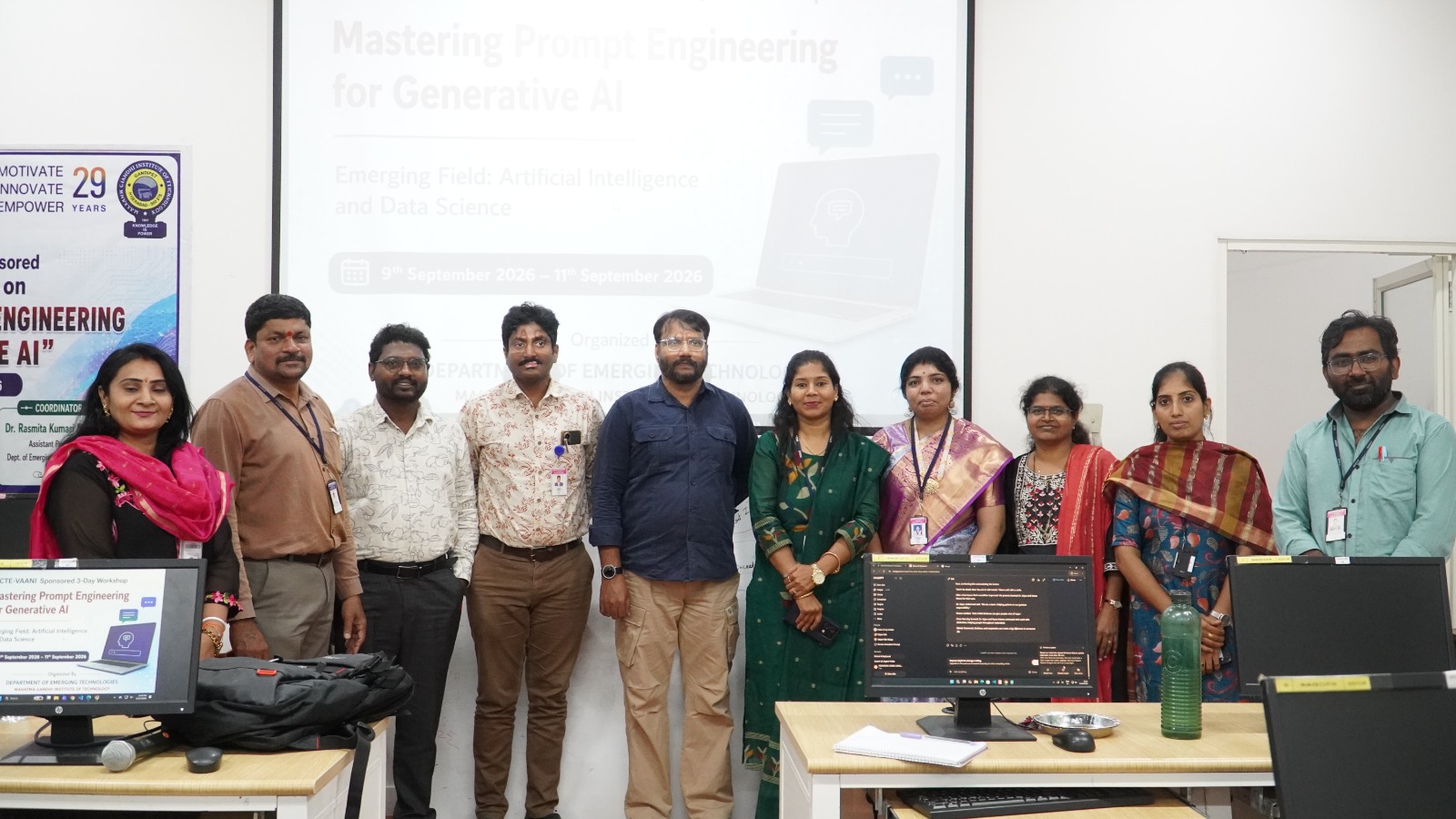
The sessions were delivered in Telugu by eminent resource persons from reputed institutions and organisations, including NITs, IIITs, the University of Hyderabad, Apple, Infosys and other leading software and technology companies. A total of 84 faculty members, industry professionals and researchers from across the country participated.
Participants gained practical knowledge of prompt engineering techniques along with hands-on experience with Generative AI tools and LLMs, developing the ability to design and optimise effective prompts, create AI-assisted solutions, and apply Generative AI responsibly and ethically across academic, research and industry domains.
The workshop was coordinated by Dr. Rasmita Kumari Mohanty, Coordinator, AICTE-VAANI Workshop, Department of Emerging Technologies, MGIT. The programme brought together academicians, industry professionals, researchers and participants from diverse technical backgrounds to explore the rapidly evolving landscape of Generative AI.
The valedictory session was held on September 11, 2026, marking the successful conclusion of the three-day programme, and certificates were distributed to the participants on the occasion. The workshop was widely appreciated for providing a valuable platform for faculty members, researchers and industry professionals to strengthen their understanding and practical skills in Generative AI and prompt engineering in their own language.
Event Outcomes (EOs)
On completion of the workshop, participants are able to:
PO / PSO Mapping
Correlation: 3 = Substantial, 2 = Moderate, 1 = Slight, “–” = Not addressed
| PO | Programme Outcome | Level | Justification |
|---|---|---|---|
| PO1 | Engineering knowledge | 3 | Sessions on LLM architecture, Agentic AI and RAG build the computing and mathematical foundations of Generative AI systems. |
| PO2 | Problem analysis | 2 | Case studies required participants to analyse a task and decompose it into an effective prompting strategy. |
| PO3 | Design/development of solutions | 3 | Hands-on development of AI-assisted solutions and AI-powered workflows addressing real-world needs. |
| PO4 | Conduct investigations of complex problems | 2 | Prompt engineering for research and academic writing involved iterative experimentation and interpretation of model outputs. |
| PO5 | Modern tool usage | 3 | Direct, practical use of contemporary Generative AI tools, LLM platforms and Python-based Agentic AI frameworks. |
| PO6 | The engineer and society | 2 | Delivery in Telugu addressed the societal need for accessible technical knowledge in Indian languages, per the AICTE-VAANI objective. |
| PO7 | Environment and sustainability | 1 | Touched indirectly through discussion of responsible and efficient use of computational AI resources. |
| PO8 | Ethics | 3 | A dedicated focus on the ethical, responsible and secure use of Generative AI in academic, research and industry applications. |
| PO9 | Individual and team work | 2 | Hands-on exercises and case-study work carried out individually and in groups across the three days. |
| PO10 | Communication | 3 | Technical communication in Telugu, plus prompt engineering for research and academic writing. |
| PO11 | Project management and finance | 1 | Addressed through the session on building AI-powered workflows and productivity systems. |
| PO12 | Life-long learning | 3 | Equipped academicians, researchers and professionals to independently track and adopt a rapidly evolving technology. |
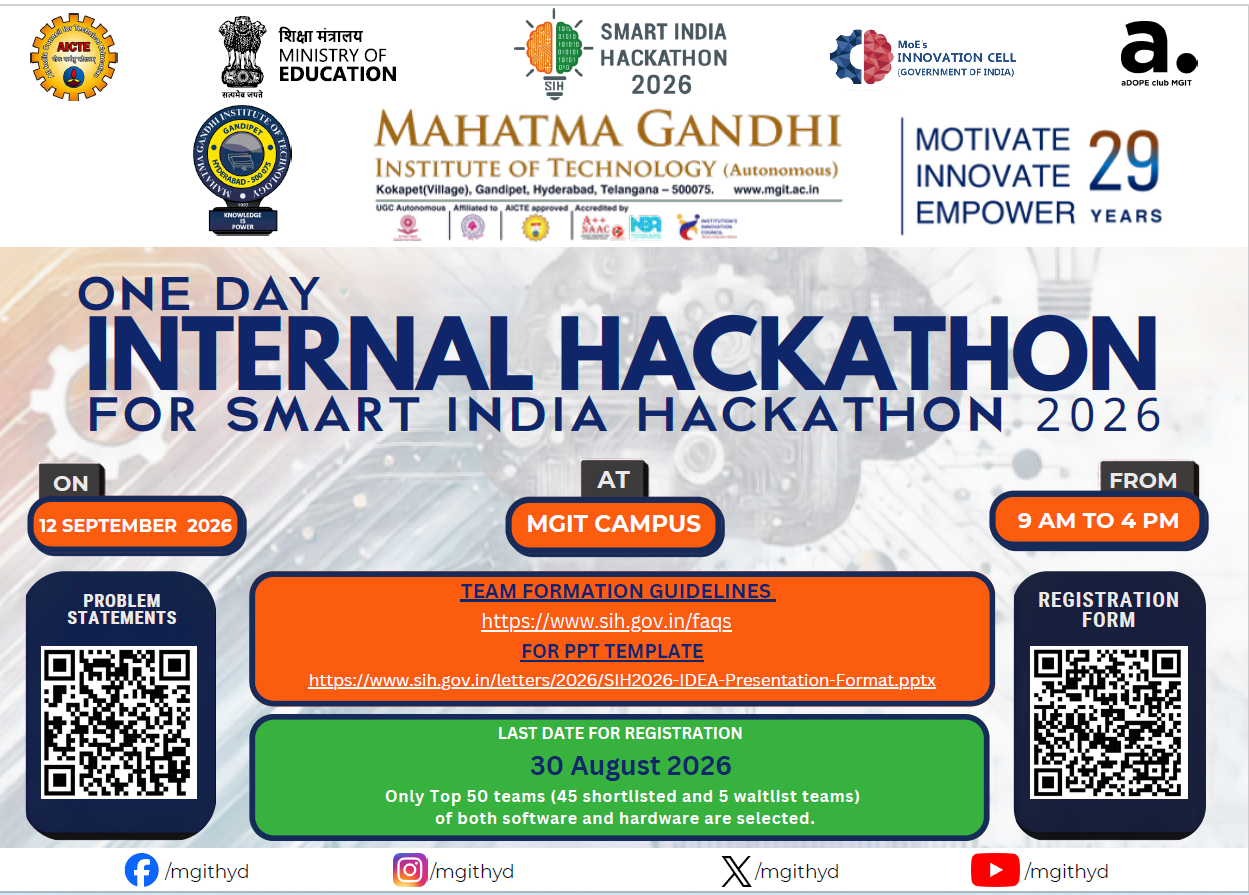
Event Title: MGIT Internal Hackathon – Smart India Hackathon (SIH)…
12 Sep 2026 - 12 Sep 2026
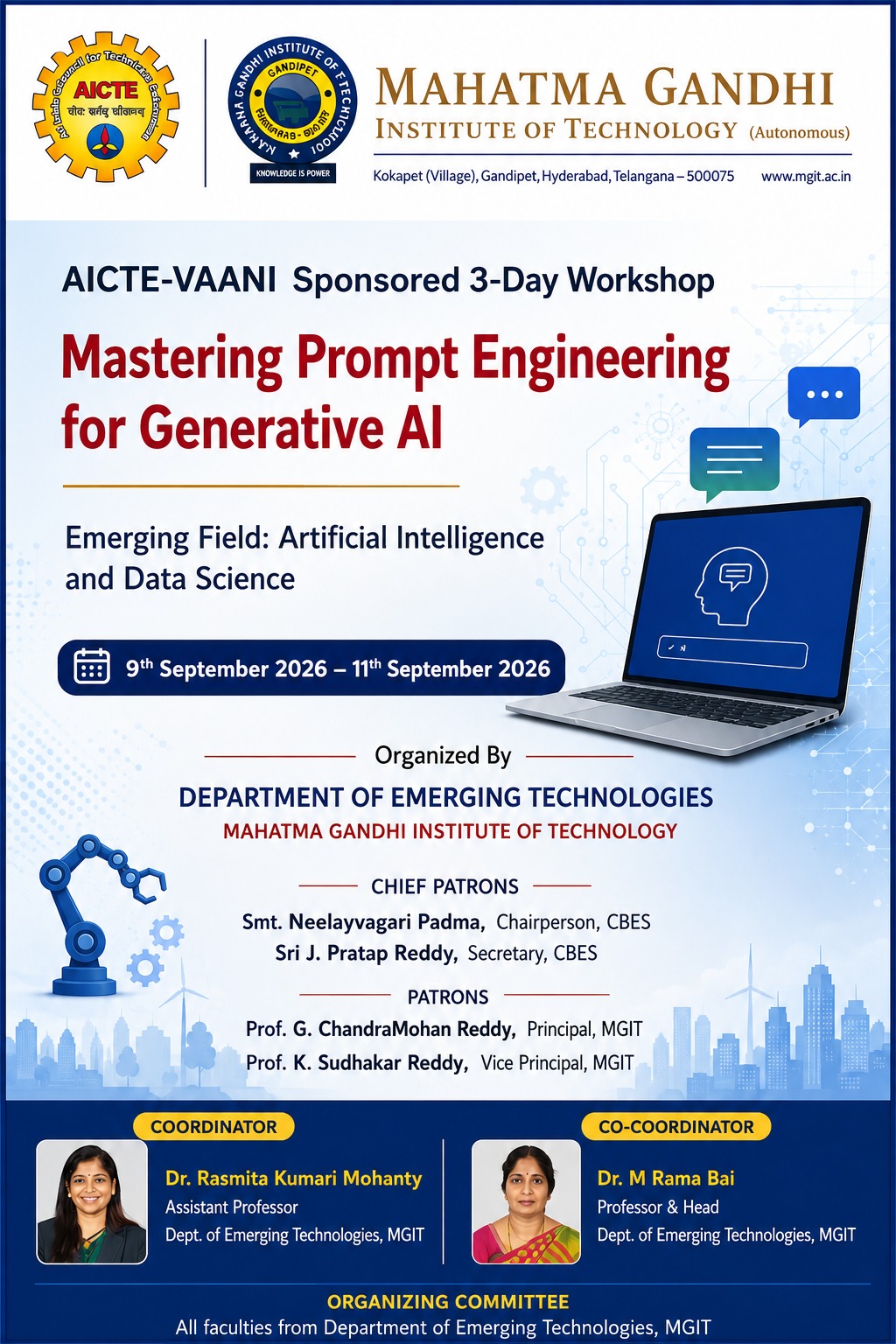
The objective of the 3 Day Workshop on “Mastering Prompt…
09 Sep 2026 - 11 Sep 2026
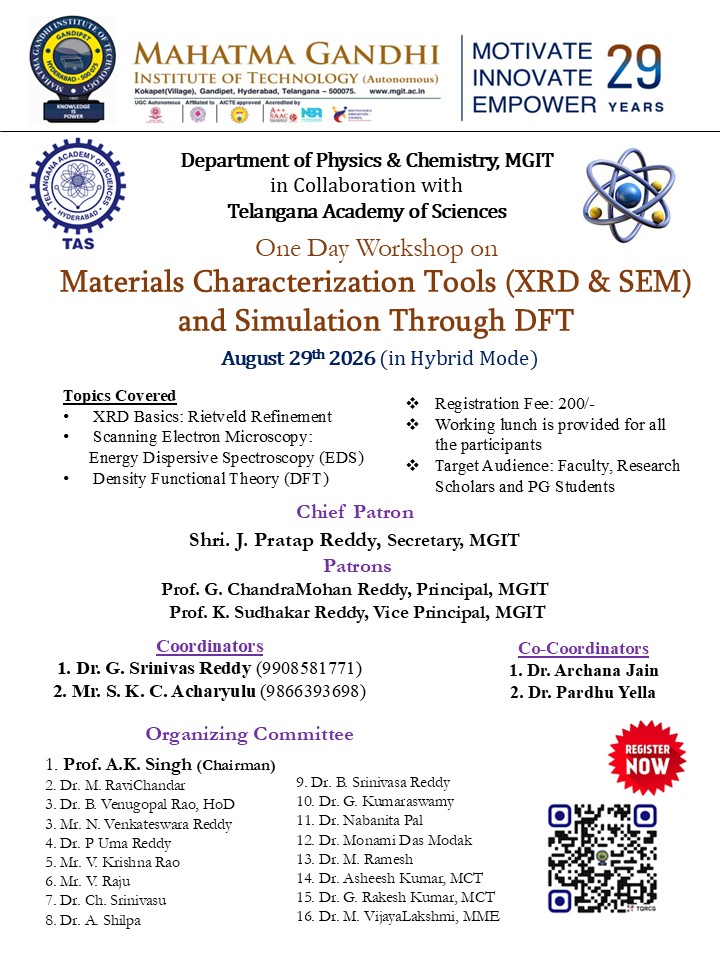
The Faculty Development Program aims to discuss the recent advances…
29 Aug 2026 - 29 Aug 2026
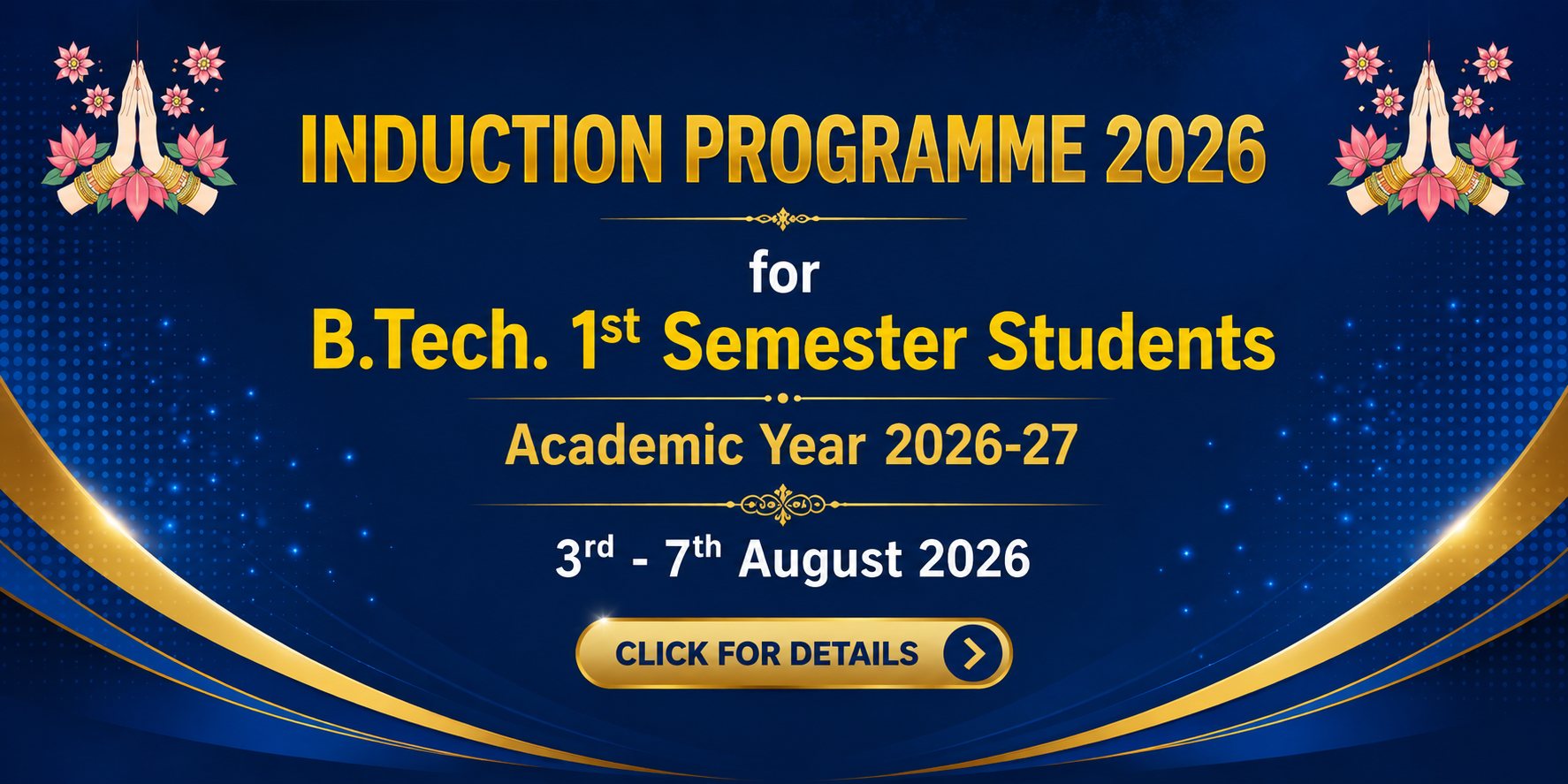
Date: Monday, 03 August 2026Time: 09:30 AM onwardsVenue: MGIT Campus,…
03 Aug 2026 - 07 Aug 2026
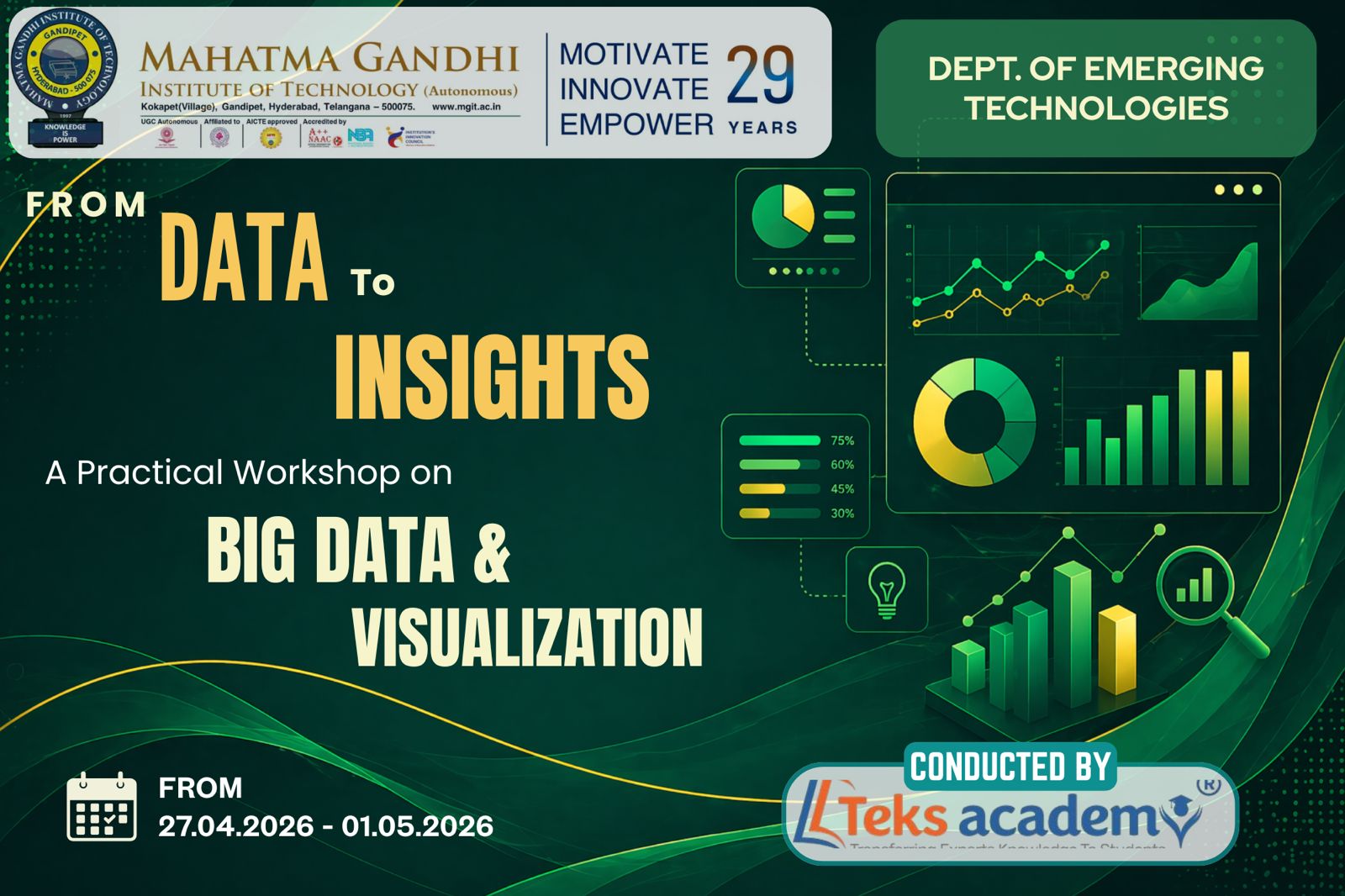
The Department of Emerging Technologies, Mahatma Gandhi Institute of Technology…
27 Apr 2026 - 01 May 2026
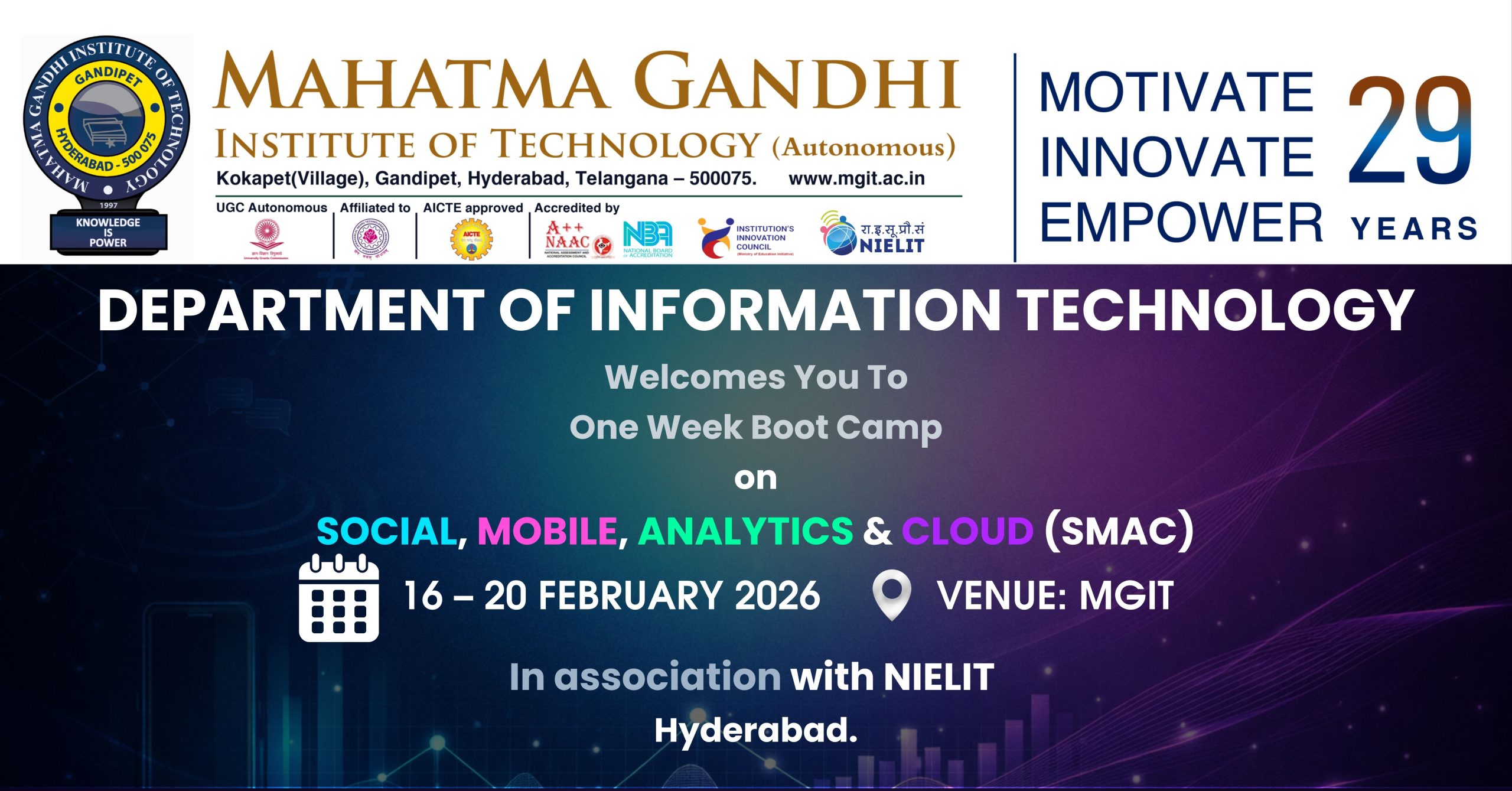
The One-Week Workshop on “Basics of Social Media and Digital…
16 Feb 2026 - 21 Feb 2026
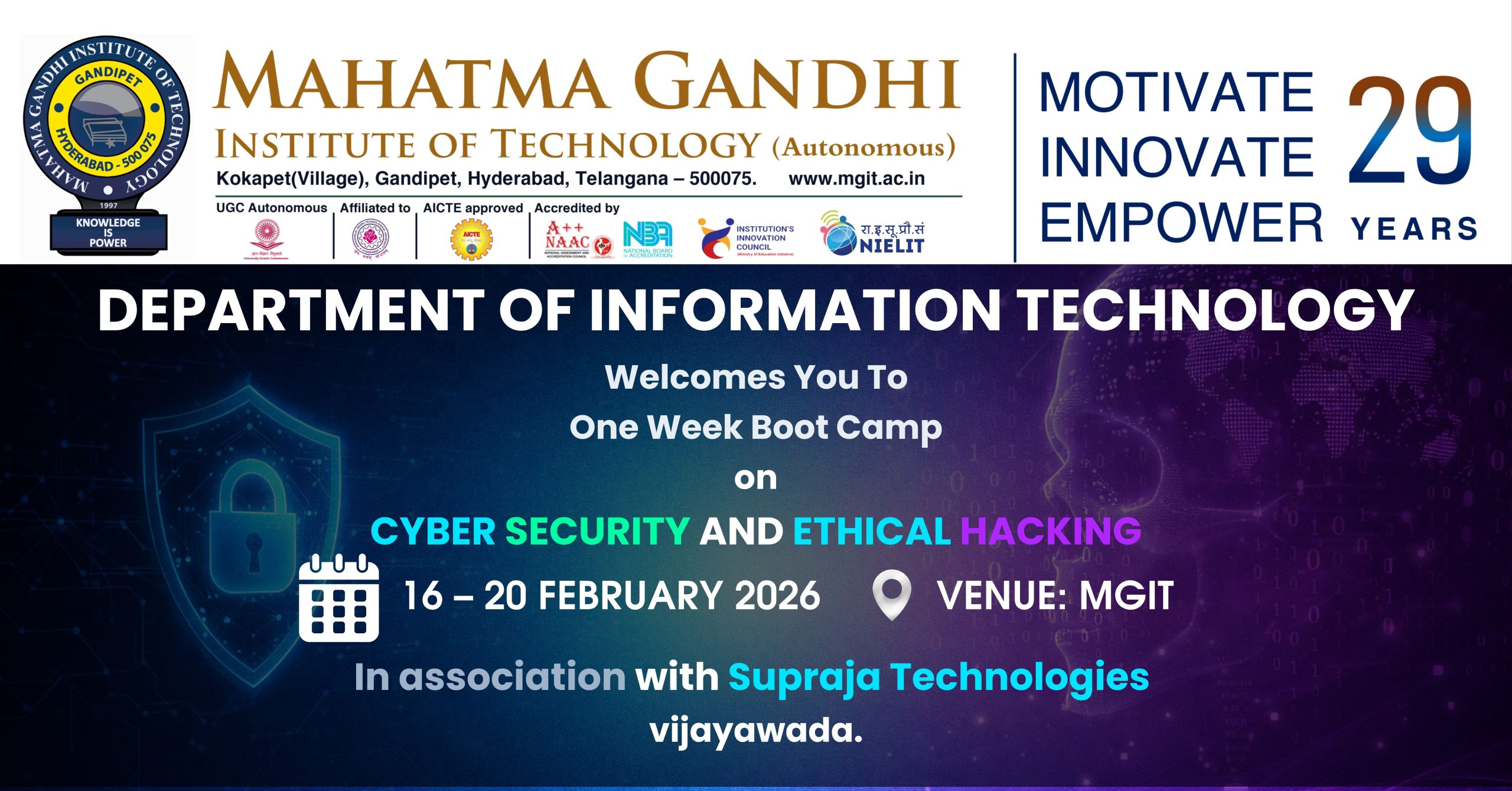
The workshop is designed to provide practical and industry-oriented knowledge…
16 Feb 2026 - 21 Feb 2026
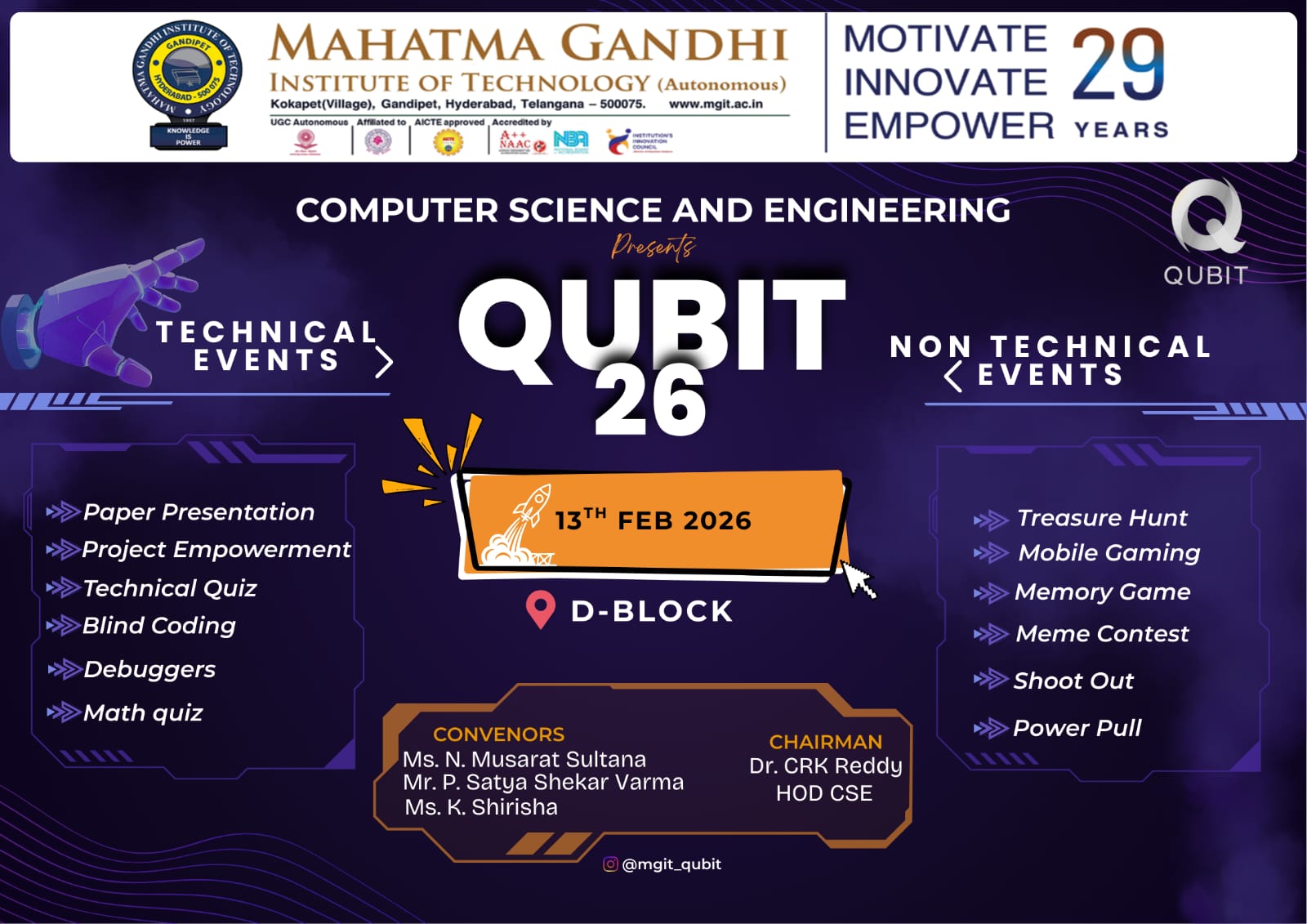
The Department of Computer Science and Engineering annually organizes QUBIT-…
13 Feb 2026 - 13 Feb 2026